
If you’re thinking of building an online business from scratch this year, you’re in for an adventure that’s both exciting and packed with possibilities.
In the past few years, the digital landscape has changed a lot. AI, automation, and remote work have all made it easy to start a business, but you need to pick up a few new skills too. I’m going to lay out exactly how I would approach building an online business today, with real-world steps and helpful context for each stage.
Whether you’re hoping to earn a full-time income or just looking to build something flexible, these steps will give you a good direction. So, let’s check out how I’d make it happen from idea to launch and scaling up. To learn more about me, visit this article.
Finding My Niche and Business Idea
Nailing down the business idea always comes first. Everything else builds on the niche you choose. I would start with what I’m interested in or have a bit of experience with. This makes sticking with it easier. Besides that, I’d check forums, YouTube, and even AI-powered tools to see what people are looking for and where there are gaps.
Choosing the right area comes down to mixing passion with demand. If I’m really into a topic but no one is searching for it or willing to spend money, it could get tough. On the flip side, a super popular market might have lots of competition but also more buyers.
Search terms like “AI productivity tips,” “pet health tech,” or “sustainable home office gear” are trending. I’d use Google Trends, Reddit, and tools like AnswerThePublic to confirm there are people searching for solutions in my area of interest.
I’d also think about how much I can talk about the topic. Writing, recording videos, and creating social posts get easier if I like the subject. Plus, people can tell when you genuinely care about what you offer; that really matters for trust and long-term success. You might want to dig into areas that excite you so the work always feels worth it.
Validating the Market
Before building anything, I’d want to know people are ready to pay for what I plan to offer. Market validation can save loads of time and money. I’d start by checking search volumes on keywords with tools like SEMrush or even free tools like Google Keyword Planner. Seeing lots of questions on Quora or Reddit is also a pretty good sign.
Next, I’d build a quick landing page with a signup form. I’d promote it on social or even run a cheap ad just to see if anyone signs up. No need to have the full product yet; I’d just explain the value and collect emails or expressions of interest. If people are clicking or signing up, I know I’m on the right track.
Another handy approach involves reaching out to communities and directly asking what people are struggling with. I’d use polls in Facebook Groups, LinkedIn, or other online hangouts. This real-time feedback is super useful, and it helps shape something people actually want. You’ll quickly track down opportunities that others might not see yet.
Setting Up My Tech Stack
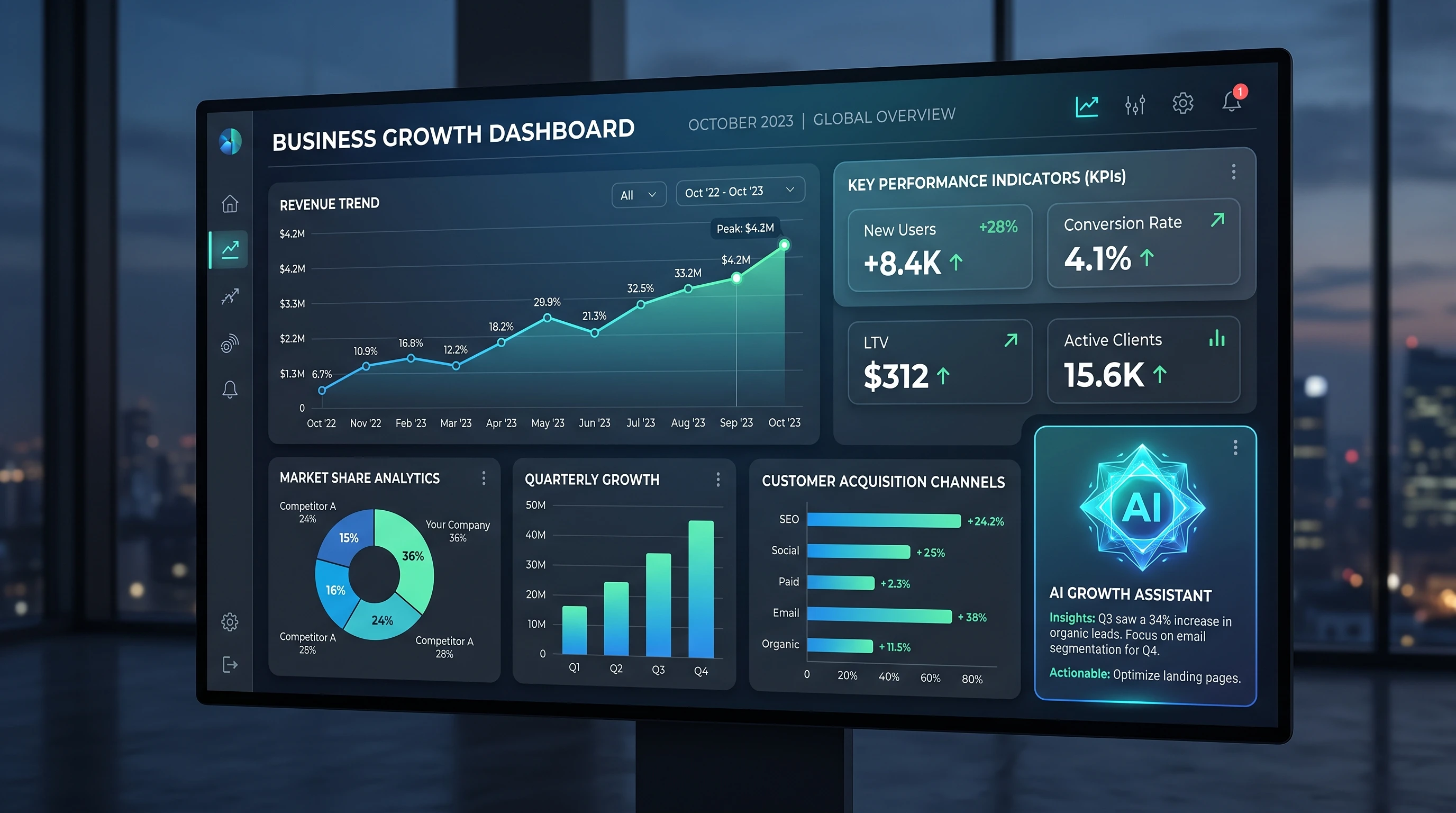
Online businesses run smoother when you pick the right tools from day one. In 2026, there are more no-code and AI-powered tools than ever, so I’d take advantage of them. Fast, easy-to-use platforms keep costs low in the early days.
- Website Platform: I’d use something like Webflow, WordPress.com, or Framer. They don’t require much coding, support SEO, and let you build responsive sites quickly without getting stuck on technical details.
- Email Marketing: MailerLite, ConvertKit, or Beehiiv have good free plans. Growing an email list is still one of the best assets for any online business; that relationship with your audience is gold.
- AI Customer Service: Chatbots powered by GPT5 or newer will handle most basic questions, saving you a ton of time.
- Content Creation: Generative AI tools help write blog posts, social captions, and video scripts faster. Wealthy Affiliate, Jasper, Copy.ai, and Canva’s AI features make launching content smooth, freeing you up for bigger priorities.
- Payment Gateways: Stripe and PayPal remain solid picks. Both work almost everywhere, and they integrate with most platforms without much hassle.
Picking the right stack matters a lot. It lets me start lean, automate the simple stuff, and focus on delivering real value to my audience. With automation, I can keep my schedule open for more important decisions.
Building the Brand and Website
Branding helps any business stand out in a busy online space. I’d choose a name that’s simple, easy to remember, and has a matching domain available. Sites like Namecheap or GoDaddy let you check domain names quickly; it’s worth spending the time to get something that really fits.
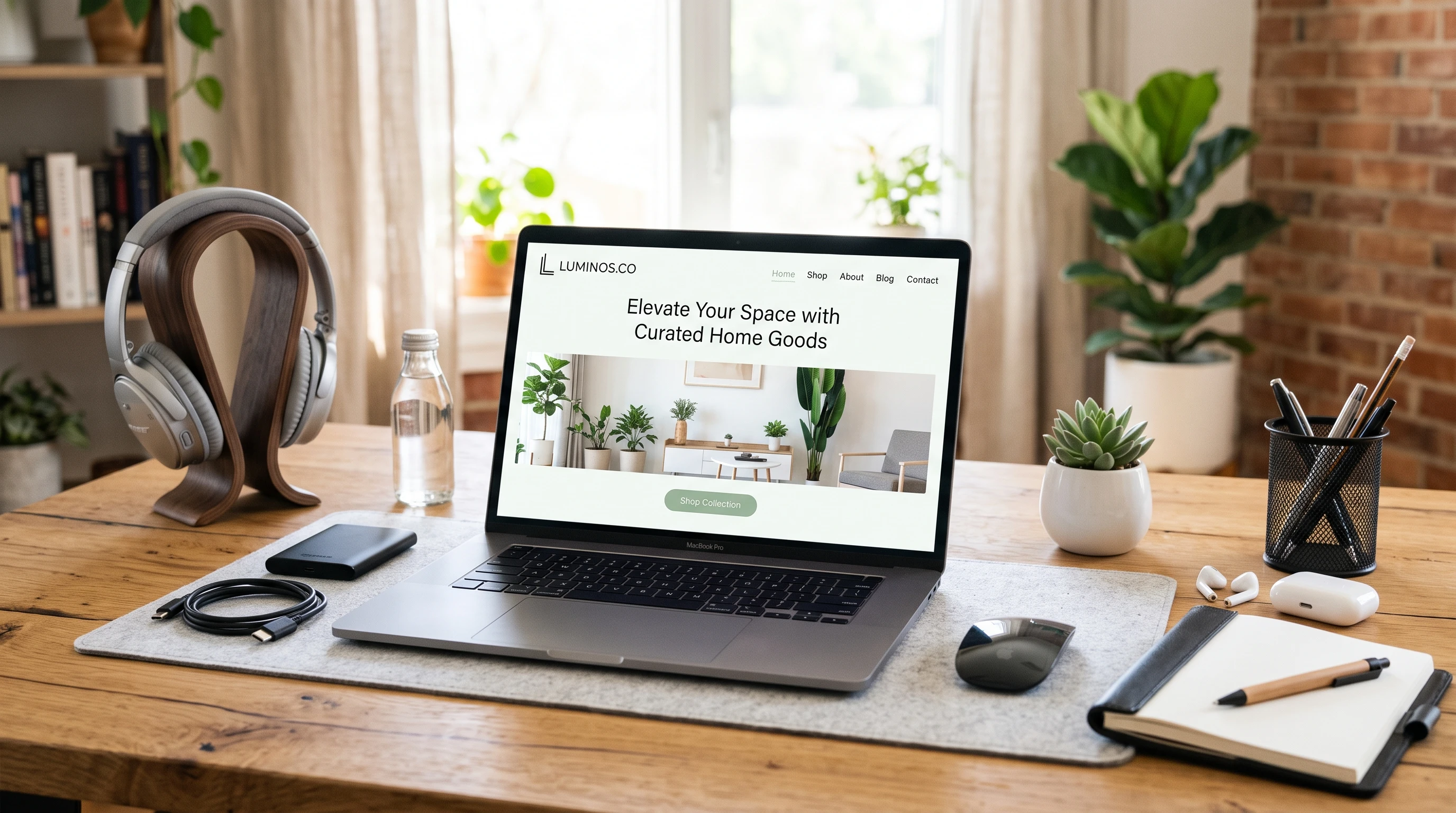
From there, the website needs to be clear, fast, and mobile-friendly. Now, most traffic comes from smartphones, so the site must look and work well everywhere. I’d use an AI logo maker to get started, then tweak colors and layouts to match the style I want people to feel when they land on my site.
A homepage should tell a visitor what I’m offering right away. Benefits up front, short and clear headlines, and a main action (like signing up, buying, or booking) are crucial. A clear “About” page builds trust, and easy contact options help show that I’m a real person behind the site.
SEO and Content Basics
SEO is still a big player for steady traffic. I’d do basic keyword research and plan the first ten articles around questions my audience asks often.
Keeping sentences short and answers direct makes content easy to scan, which search engines and visitors both appreciate. I’d use tools to check that my site loads fast, fix broken links, and use alt text on images for accessibility.
You might also want to post regularly on your own blog. Short, newsy pieces about changes in your market or beginner tips really help keep people coming back to your site and establish your reputation quickly.
Creating and Launching My First Offer
The first offer is usually a digital product, a service, or a membership. I’d choose something I can deliver fast and update easily, like an eBook, minicourse, or subscription resource.
These don’t need shipping, work well anywhere in the world, and have little overhead. Offering a simple coaching, consulting, or done-for-you gig on the side also helps bring in early revenue while testing what the audience responds to best.
When packaging an offer, I’d focus on explaining the outcome. For example, instead of just selling a “guide,” I’d share what changes someone can expect after buying it. This approach builds excitement and trust. I’d offer a money-back guarantee for peace of mind, which tends to help first-time buyers feel more comfortable taking a shot on something new.
To keep things super clear at launch, I’d create a simple video demo using an AI video generator. Videos show real features quickly and help people decide faster. Prelaunch, I’d tease the offer on social and through emails. Even sharing behind-the-scenes snapshots or progress updates brings in early buzz and helps the audience feel part of the adventure.
After launch, it’s important to follow up with buyers, ask for honest feedback, and invite them to share their results. This not only builds social proof but helps guide future updates to your offer. Keeping lines of communication open is key for long-term growth.
Growing an Audience and Scaling
After launch, getting more eyes on the business is the next priority. I’d use a mix of social sharing, consistent blog posting, and email outreach to grow an audience. AI scheduling tools, like those built into Hootsuite or Buffer, make it easy to keep things consistent without taking up tons of time.
Partnerships with other creators or businesses can give a big boost. Crosspromoting on their platforms or hosting joint webinars expands reach for both sides. Setting up free resources, checklists, or templates also brings in traffic from people searching for solutions right now.
Paid ads, even with a small budget, can jumpstart growth. I’d set tight limits and monitor results regularly, so I don’t overspend. TikTok, Instagram Reels, and YouTube Shorts drive lots of organic and paid reach in 2026. Creating short, catchy clips is a great way to connect with new audiences, and you can repurpose content across platforms for even better results.
Feedback and Iteration
Feedback makes or breaks the early stages. Collecting reviews and comments from early users gives ideas for what to fix or add. I’d check analytics every week to track page views, signups, and purchases. If people get stuck, leave, or don’t buy, I’d tweak messaging, improve onboarding, or add walkthroughs to keep them moving forward.
I’d also encourage referrals by creating a simple rewards system, like discounts or freebies for sharing your business with friends. This helps spread the word and brings in warm leads who are more likely to trust your brand.

Common Challenges and How I Would Tackle Them
Not everything goes smoothly when building an online business, even with AI help. Here are some typical bumps in the road and how I’d handle each one.
- Finding Early Customers. Friends and family support is nice, but reaching “real” customers takes outreach. I’d share free tips and join online discussions to get noticed. Hosting a free event or workshop can attract your first group of interested users fast.
- Staying Consistent. Content creation, social sharing, and emailing all take time. I’d batch work whenever I can and let AI content tools help fill gaps. Creating a weekly plan helps keep things rolling and prevents burnout.
- Technical Glitches. Tools sometimes break or don’t play nicely together. I’d stick with popular platforms and look for active support communities so I can troubleshoot issues quickly. When necessary, I’d set aside a small budget for a freelancer to fix what I can’t handle myself.
- Overcoming Self-Doubt. Every business owner hits walls of doubt. Keeping track of wins, even small ones, helps build confidence. Connecting with others trying businesses also helps keep motivation up. Reminding myself that every challenge is a chance to learn can make the tough days easier.
Tackling these issues is part of the process, and most get easier with practice. Having a supportive network, or even just one buddy to bounce ideas off of, keeps things moving when challenges pop up. Joining a mastermind or even an online forum is a great way to meet others on the same adventure.
Using AI and Automation Wisely
AI will keep getting better, but it’s not about letting robots do everything for you. I’d use AI to handle support chats, schedule posts, answer quick questions, and create draft content. This saves time for the tasks only I can do, like understanding my audience’s needs and building relationships.
Automation can handle onboarding emails, invoices, and reminders. I’d keep a close eye on any automated process to make sure it feels friendly, not robotic. Personal touches still matter and stand out, even as AI becomes more common. Finding the right balance is key—don’t lose the human side of your business in the quest for efficiency.
Frequently Asked Questions
Here are some questions a lot of people ask when starting an online business, along with my take on each one.
Question: How much money do I need to start?
Answer. Most online businesses start with less than $500, especially when using free trials and low-cost tools. Bigger investments might come later for ads or custom tools, but keeping things lean in the early days saves headaches. You can start for FREE at Wealthy Affiliate to see if this is for you.
Question: How long will it take to make a profit?
Answer. For some, first sales can happen in a month. For most, stable profits take a few months or longer. Building trust, an audience, and repeat buyers takes time, so patience and consistency are really important.
Question: Do I have to be a tech expert?
Answer. Most tools now are designed for people with little to no coding skills. If you can use a smartphone and follow video tutorials, you’ll be fine. Forums and YouTube are packed with answers if you get stuck.
Question: What if my first idea fails?
Answer. Most entrepreneurs pivot or tweak their first idea. Feedback from real people helps you see what to adjust. Treat the first attempt like an experiment, not a final exam. Trying different approaches is normal and actually helps you get better faster.
The adventure of building an online business is always changing, especially with new tech and new trends popping up. Keeping things simple, using the best tools, and focusing on solving real problems brings results faster.
I’d recommend anyone starting now to take it one step at a time, enjoy the process, and be ready to adjust as you go. An online business really is open to anyone willing to learn and stay curious.
If you have a question or want more details about anything I’ve shared, drop it in the comments or send me a message anytime. Building a business is much more doable with the right guidance and a willingness to keep learning as you grow!