
Starting an online business this year is easier and more exciting than ever thanks to the new tech and tools available. I’ve spent years experimenting, failing, and finally figuring out what actually works online.
This roadmap pulls together everything I wish I’d known back in 2014 when I got started. Learn more about me here! It makes the whole process beginner-friendly and gives you a smooth ride from idea to income.
Picking your direction, nailing those first sales, and growing your project takes some basic steps. I’m here to show you that simple path, beginning with the perfect topic for you and stepping up your game as you go.

Picking Your Niche: Start with What Interests You
Nailing your niche is really important. A niche means the focused topic or audience you’re aiming your business at. It should be something you enjoy and you are knowledgeable about.
Let’s say you want to focus on a fitness niche. Instead of “fitness,” maybe it’s “HIIT workouts at home for busy moms.” Focusing makes creating content, picking products, and finding your people so much better.
I always recommend starting with subjects you enjoy or know about. Let your hobbies, experiences, or work background guide you. For example, if you’re into gaming, you could share beginner tips on streaming, review new tech, or track trends in mobile games.
If you already ask yourself, “Could I talk about this for a year without getting bored?” that’s a good sign you’ve found your niche.
- Research Your Niche: Check if people are searching for it using free keyword tools like Google Trends. Try exploring Reddit or Quora to see what questions pop up about your topic, or join Facebook groups to spot what folks want help with. This extra digging can uncover some gold mine ideas.
- See If Others Are Making Money: Look for similar blogs, social channels, or affiliate sites. If ads and offers show up, there’s potential. Don’t forget to search YouTube or TikTok too; those creators often point to profitable angles.
- Think About Your Fit: Choose something you feel happy to learn and talk about, even if you’re a beginner now! Ask yourself if you’d be happy creating at least 25 website articles or videos in this area.
Pro Tip: If you can’t decide between options, jot down three broad topics, then list out 10 possible article or video ideas for each; whichever is easiest to brainstorm is your winner. ChatGPT might also be the fine-tuner to your chosen niche!
How Affiliate Marketing Actually Works
Affiliate marketing is still the best way for beginners to start earning online. It’s simple: You recommend a product or service you like and use, and when someone buys through your special link, you get paid a commission. You don’t need to handle inventory or shipping; the company deals with it all. This makes it possible for solopreneurs and small teams to compete with bigger players.
Here’s a real example. If you create a blog about eco-friendly living, you could sign up for affiliate programs for reusable water bottles or green home gadgets. When your readers click and buy one, you earn a percentage of the sale. Most big online shops such as Amazon, Walmart, and even smaller niche brands have affiliate programs. Some folks get their first commission in just a few weeks of starting.
My favorite thing about affiliate marketing is how low the costs are. You can start with a laptop and internet connection. The learning curve is short, so you don’t need a marketing degree or tech skills to begin. Just being honest and putting the reader first helps you earn trust and sales over time.
- Choose Your Programs: Try networks like CJ, Rakuten, ShareASale, or those run directly by brands. Read reviews before applying.
- Content Mix: Write honest reviews, best-of lists, and how-to guides. Share your experiences using the products when possible.
- Stay Transparent: Always tell readers when you may earn a commission; it builds trust and keeps things above board.
Building Your Website: Your Online Basecamp
A website acts as your foundation. You own it, you control it, and it’s where people find your offers, stories, and resources. Website builders like WordPress and Squarespace keep things simple.
Getting started can take under an hour, even if you’ve never built a site before. Most hosting places offer a “one-click install” for WordPress, which saves a ton of headaches.
Pick a name that hints at your niche. For example, “KitchenHackers.com” tells people right away what your site is about. A .com domain looks most trustworthy, so stick with that if you can.
- Pick a Simple Theme: You don’t need fancy templates. Start with something clean and easy to read; focus on speed and readability.
- Create Must-Have Pages: Add Home, About, Contact, and basic Privacy/Disclaimer pages right away. These boost your credibility.
- Add a Logo: Free tools like Canva make logos super easy to create, even for nondesigner types.
I use my site for everything: blog posts, product reviews, signups, and even linking to my YouTube or socials. No matter what new platform pops up, I always bring visitors back to my website as my central hub.
Tip: Once your site is live, add a quick welcome blog post introducing yourself and outlining what readers can expect. This makes your brand approachable.
I know this may sound complicated depending on your online experiences, but I have a step-by-step way to help you get started. I will share that towards the end of this article.
Creating High-Value Content That Gets Noticed
Great content gives people answers, inspiration, or a quick laugh, and sometimes all three. Think about the main problems or questions your audience has, then create articles, lists, or how-to guides that fix those problems. A good way to brainstorm is by imagining yourself as a new visitor: what would you want to know?
I focus on “helpful” pieces first, like “How to Set Up a Budget Planner in 2026” or “Easy Home Workout Routines for Travelers.” Then I mix in product reviews, comparison guides, and personal stories. Adding graphics, screenshots, or quick demos makes content even more shareable.
- Use Clear Titles: “Best Running Shoes for Wide Feet (2026)” works better than “My Shoe Story.”
- Be Yourself: Readers relate to real experiences, even failures. Honesty builds trust faster than hype.
- Update Often: Posting two to three times a week keeps your site fresh and helpful for returning visitors. Even updating old posts with new info can help.
Aim to solve a problem in every post. If you’re not sure what your readers want help with, run a quick poll on socials or look up common questions using Google’s “People Also Ask” boxes.
You may be thinking that you are not good at expressing yourself in the written word, but with today’s technology, you can create an article title and some broad strokes for your content, and with the click of a button, you will have a complete article. I’ll share more in a bit.
Using AI to Step Up Productivity (Without Losing Your Voice)
Artificial Intelligence is my workflow sidekick now. In 2026, AI tools help brainstorm content topics, outline blog posts, suggest SEO keywords, and even speed up edits. I use AI-powered platforms to check my writing for errors and suggest ways to make it more engaging. For graphics, AI image tools help me whip up diagrams or banners, even if I have zero design skills.
Still, it’s crucial to add your own perspective. AI is great for the repetitive parts, while I put the finishing touches on each piece. A blend of automation and my unique take keeps readers engaged and makes content easy to produce without burning out.
- Fast Outlining: AI turns a few topic ideas into full outlines fast. I can go from rough idea to finished outline in minutes, which saves energy for the writing itself.
- Smart Editing: AI picks up typos and suggestions, but I check facts myself. I always double-check statistics, product names, and links.
- Fun Visuals: Tools like DALL·E and Canva’s AI turn boring stock into unique feature images.
Blend the power of AI with your voice. Use it to speed up routine jobs, get creative help, and make graphics quickly, but let your personality shine through in stories and reviews.
Getting Free Traffic from Google Search
Google is still the biggest driver of new website visitors. When people search “best standing desk for students 2026,” you want your article showing up near the top. Search engine optimization (SEO) helps you get there.
I focus mostly on topics that get good searches but don’t have massive competition yet. Keyword research tools, like Ubersuggest or Google’s Keyword Planner, show you what people are really typing in.
Include these terms naturally in your headlines, intro, and throughout your post. Sprinkle related questions as mini subheadings: “Is a standing desk worth it for students?” to capture extra traffic.
- Focus on Longtail Keywords: These are more specific phrases with less competition. An example: “Best beginner photo editing apps for Android 2026.”
- Create Answer-Focused Content: “How to” and “best of” posts are favorites in search results.
- Update Old Posts: Refreshing your old guides with new info boosts their Google ranking over time. Try adding recent product launches or new tips yearly.
Useful, detailed content and steady upgrades will help you climb the rankings over time. Patience pays off here!
Winning Free Traffic with Pinterest Ideas
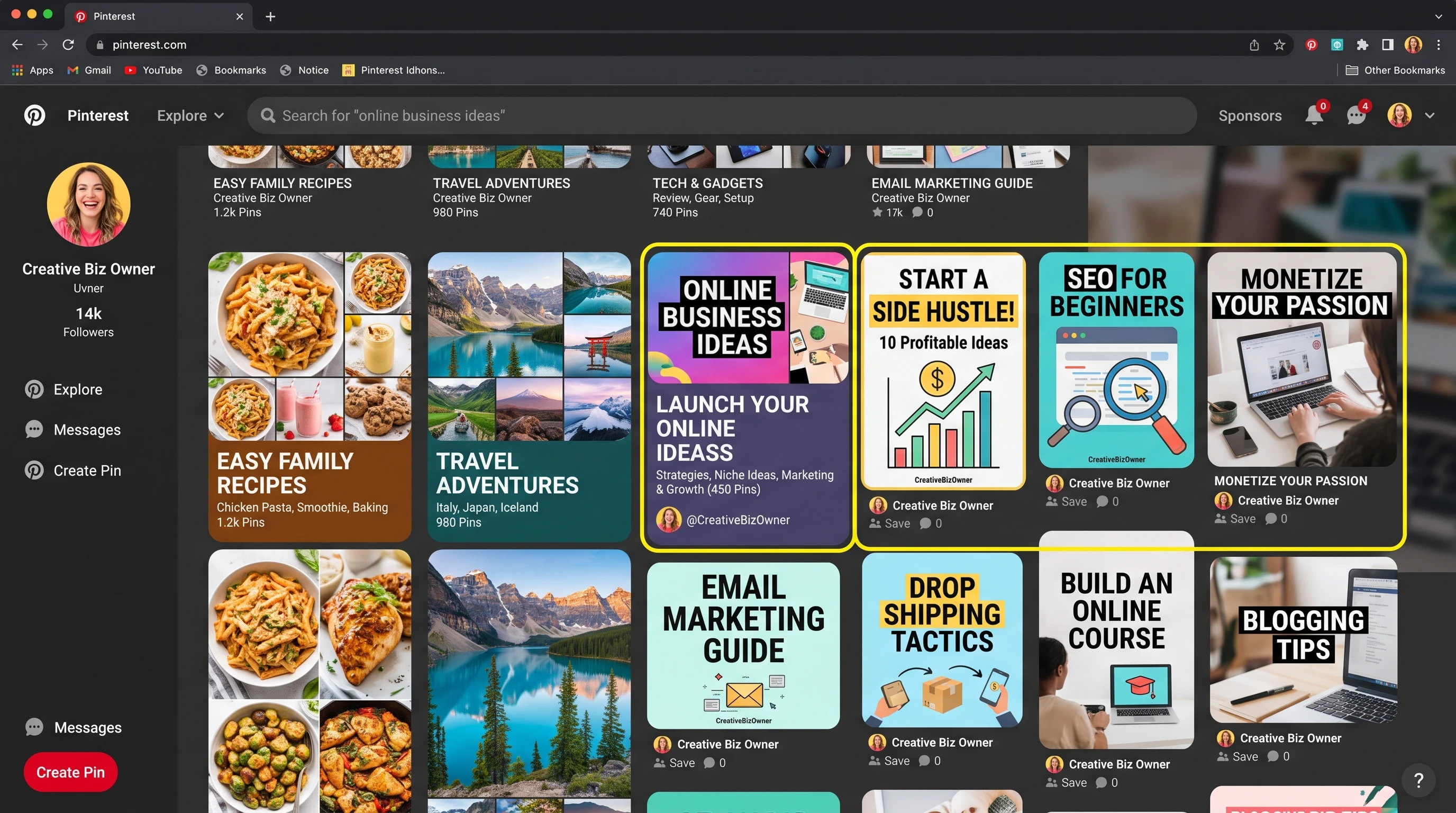
Pinterest is one of my favorite free traffic sources, especially for visual niches like recipes, crafts, budget tips, or travel. Each pin is a mini billboard for your website or offer. I use eye-catching images with big, simple text overlays to stand out in busy feeds. Pinterest rewards fresh ideas, so I like to publish new pins weekly.
AI image creator tools are very helpful for me when it comes to Pinterest success. Imagine getting tens of thousands of image views a month. That creates traffic to your website and affiliate offerings!
Unlike other platforms, pins can keep working for months (or even years) after you post them. I usually create a set of pins for every blog update and link them straight to my site’s most helpful guides. Tools like Canva or even AI art generators keep things looking sharp, even if design isn’t my strong suit.
- Design Simple Pins: Use bright backgrounds, easy fonts, and a clear call to action like “Read More” or “See the Full Guide.”
- Pin Consistently: Scheduling pins weekly keeps your content circulating. Use a spreadsheet or scheduler to plan ahead.
- Join Group Boards: Sharing pins to boards with lots of followers helps new accounts get seen faster and expands your reach beyond your own followers.
Try running split tests with different visuals to see what color combos or headlines pull the most clicks. Over time, you’ll spot what works best for your brand.
Testing TikTok and YouTube Shorts for Big Reach
Shortform video isn’t going anywhere. TikTok and YouTube Shorts both send their content to massive audiences, sometimes overnight. I find that quick “how-tos,” life hacks, or personal stories do especially well. Even if you’re shy on camera, you can use voiceovers, slideshows, or screen recordings to share tips.
Each video should include a call to action, like “See my site for the full guide” or “Download my checklist from the link.” TikTok and YouTube send lots of free traffic, and their audiences love authentic, unpolished clips just as much as slick edits. Use captions and on-screen text to boost accessibility and engagement even on silent playback.
- Keep it Short: 10 to 60 seconds is ideal. Start with a hook in the first 2 seconds.
- Use Trends: Adding trending sounds or hashtags gets your content in front of more people. Don’t be afraid to jump in even if the trend feels silly—sometimes the most unexpected videos perform best.
- Link Back: Always mention your site or main offer at the end of each video, and add links in your bio and video captions.
Practice makes perfect. Your first videos might only get a few views, but consistency brings compounding results.
I use an AI video creator to assist with professional video shorts for YouTube, TikTok, and Facebook. I don’t have to appear in front of the camera. I now have AI Howard to present my offerings. I love that!
Building an Email List: Your Most Reliable Asset
An email list is like gold for online businesses. Social media and Google can change their rules, but with an email list, you always own your audience. Free tools like MailerLite or ConvertKit help you start a simple list fast.
Offer your visitors something helpful for joining, like a cheat sheet, checklist, or small eBook. I set up signup forms on every page of my site and mention the freebie in my posts and social profiles. Sending out useful tips or new articles to your list keeps them engaged and more likely to buy through your links.
- Offer Real Value: Give away something that saves readers time or solves a real problem. Try a quickstart guide, worksheet, or insider tips tailored to your niche.
- Start Simple: Even a 1-page PDF can kickstart your list growth. Use Canva templates to speed things up if design is not your main gig.
- Email Regularly: Reach out at least once a week to keep your subscribers engaged. Let them know about new articles, products, or even ask what they want to see next.
As your list grows, don’t get overwhelmed. Segmenting by interest (such as recipe fans vs. tech fans) helps send more personalized messages down the line. Building an email list early gives you control and a direct way to connect that’s more reliable than any algorithm.
How to Earn Your First Commissions
The first sale is always the most exciting, and also the most nerve-wracking. Making it usually boils down to having the right offer in front of the right people. I often pick two or three products I’ve used myself or researched, then create a detailed review and share my honest take about the pros and cons. Don’t shy away from listing what you don’t like!
Affiliate networks like Amazon Associates or ShareASale make it easy to get your tracking links and see clicks and commissions in real time. Even one dollar of commission is proof your system works. As your content gets more visitors, those small earnings start to add up quickly.
Remember, readers trust genuine reviews over pushy sales talk. I always mention any drawbacks or alternatives; it helps people feel like a friend is giving advice rather than a salesperson.
- Make detailed “how to buy” guides for your main product recommendations.
- Add comparison tables and quick scorecards. These save readers time and push conversions higher.
- Respond to questions in your comments or inbox with direct links and personal insights.
The more value and honesty you give, the easier it is to set yourself apart in a crowded market.
Scaling Up: Taking Your Business Next Level
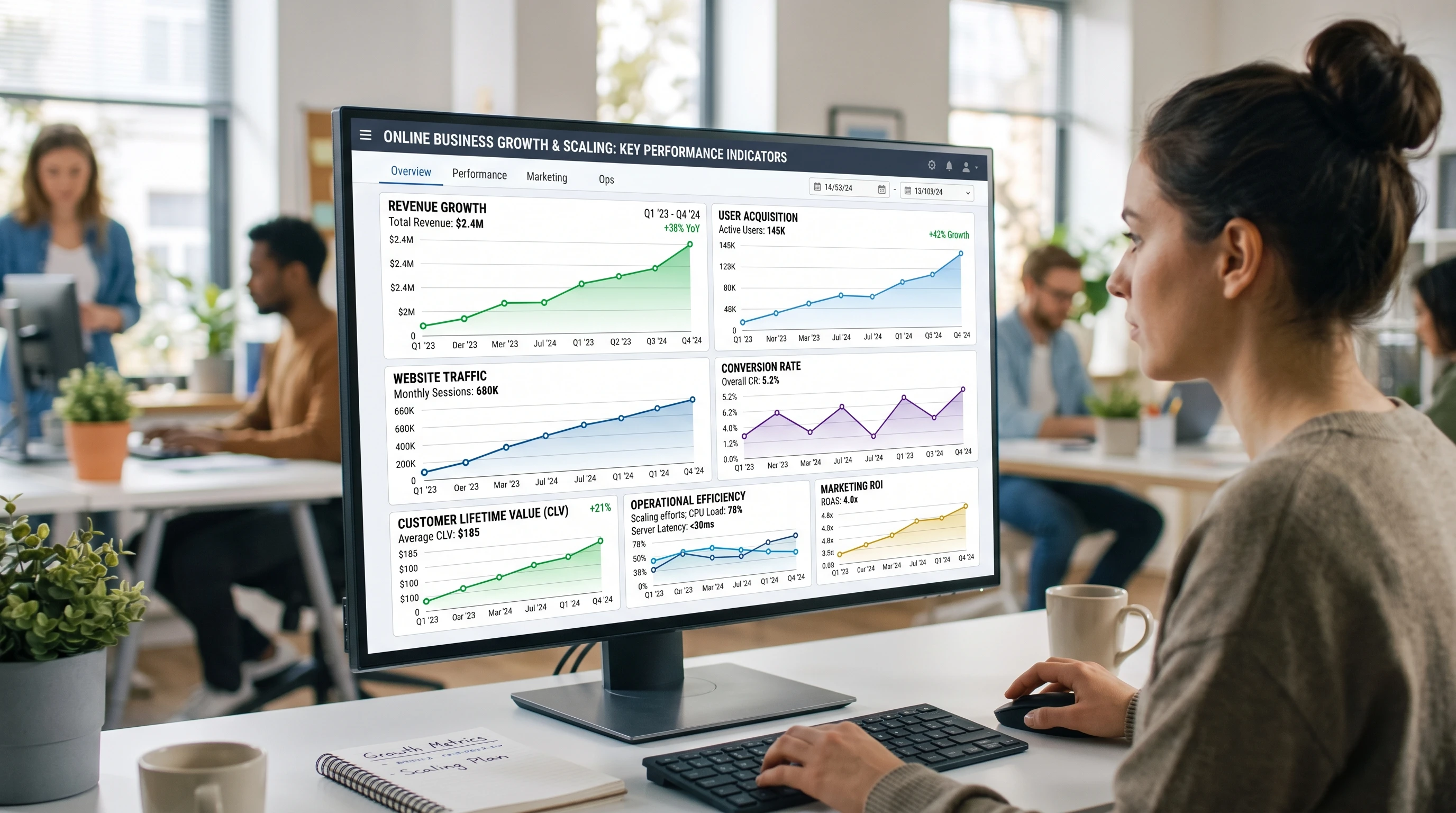
Once you have traffic and a few commissions rolling in, you can start doubling down on what works. I usually look at my website analytics to see what content, pins, or videos are bringing the most clicks or sales. Focus your energy on those top performers. Then, go deeper!
- Refresh and expand popular articles into super helpful guides or email courses.
- Create new videos or pins around best-selling products or topics.
- Mix in some variety by finding new affiliate programs, digital products, or even launching your own courses or ebooks. This helps you build multiple streams of income over time.
- If you are really scaling your niche, consider outsourcing repetitive jobs, like editing, scheduling, or basic research, to keep your schedule free for bigger projects. Try freelance platforms for small tasks so you can focus on strategy and creativity.
Keep yourself on track with a monthly review where you spot new trends, analyze your top 10 posts, and set small actionable goals for the next month.
Why I Recommend Wealthy Affiliate for Getting Started
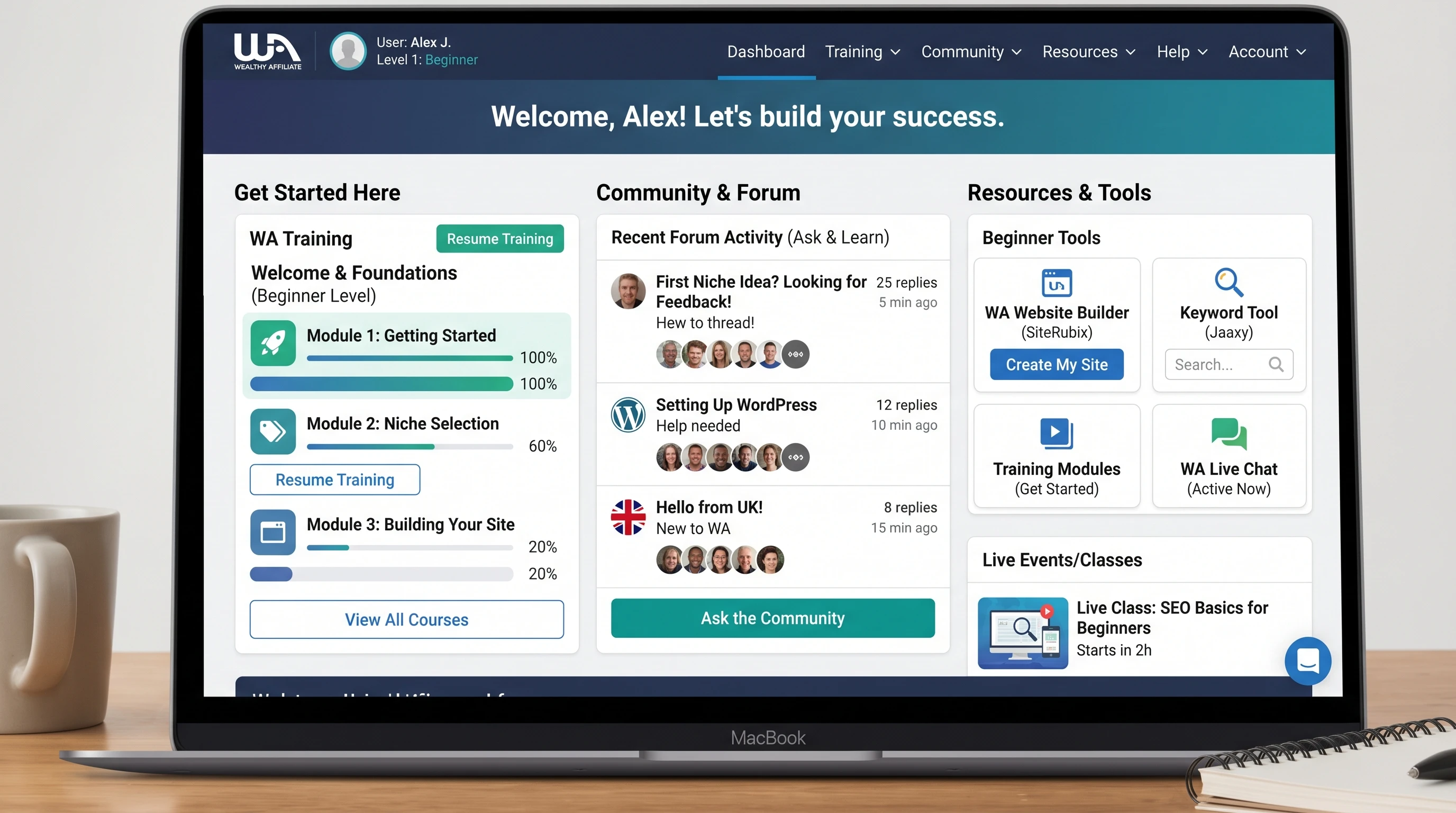
Having training and support early on makes everything easier. Wealthy Affiliate is my go-to recommendation for beginners because it teaches the step-by-step basics of affiliate marketing, SEO, and online business in a super clear way.
The platform includes live classes, forums, website hosting, research tools, and direct help from other members. When I started, having a group to ask questions and get feedback kept me motivated and on track.
They’ve added plenty of new focused tools, such as an AI content writer, AI Image creator, and up-to-date traffic strategies. Whether you’re brand new or just want to build faster, it’s worth checking out. Plus, you can try it for free to see if you like the approach before upgrading for more features.
This is how I started my online business back in 2014! I struggled for three years before finding Wealthy Affiliate.
Frequently Asked Questions
Question: Can I start an online business this year with zero experience?
Answer: Absolutely. There’s never been more free resources and tools available. Staying committed and picking a topic you care about goes a long way.
Question: How long does it take to make money?
Answer: Some people see their first commission within a month, while others take a few months to gain traction. The key is consistent content and promotion. Try not to compare your pace to others; every niche and every person moves at a different speed.
Question: Are affiliate programs safe and legit?
Answer: Most established affiliate programs like Amazon and big brands are safe. Always read their rules and check payment terms before joining. Beware of “get rich quick” programs that ask for upfront payments.
Question: Do I really need a website, or can I just use social media?
Answer: A website gives you control over your business and helps build lasting assets. Social platforms can change overnight, but your website is all yours. It’s your insurance policy against sudden algorithm changes.
Question: Is it too late to start right now?
Answer: There are always new topics, trends, and products showing up online. There’s still plenty of opportunity for fresh voices and ideas. Your unique experience and personality will help you stand out, even in busy niches.
____________________________________________
Want more hands-on help or have a personal question? Leave a comment below or check out the latest resources and courses linked on my site.
Building an online business takes time, but it’s 100% worth it if you want freedom, income, and a project you can run from anywhere, even just an hour a day. Remember, the digital world is always evolving, so keep learning as you go.
IS THERE A TOPIC OR HOBBY YOU’D LOVE TO TURN INTO AN ONLINE BUSINESS? Share your ideas and let’s see what’s possible together! I’d love to help you out!