
Branching into affiliate marketing is pretty exciting, but getting started comes with a learning curve. I know it can feel a bit like jumping into a pool without checking the water depth. Let me help you not fall into the biggest affiliate marketing mistakes!
There are tons of guides out there, but I still see beginners fall into the same traps again and again. If you know what to look out for, you can skip a lot of stress and build a more solid, profitable foundation.
This guide walks you through the biggest affiliate marketing mistakes newcomers make, along with practical examples and advice you can actually use.

Understanding Affiliate Marketing Basics
Affiliate marketing is when you promote someone else’s product or service using a unique link. If someone makes a purchase through your link, you get a commission. Pretty handy, right? The easiest way to picture it is like a digital version of earning a finder’s fee each time you recommend a product a friend ends up buying.
Affiliate marketing continues to grow every year, with more brands relying on partners to get their products in front of new buyers. But with low barriers to entry, it’s also easy for beginners to rush in without a clear plan. For most folks starting, small missteps can add up and reduce the chance of seeing actual profits. If you map out what you want to achieve before you start, you can save yourself a ton of headaches.
It’s worth noting that learning affiliate marketing doesn’t mean you have to be an expert in everything overnight. It starts with some basic actions: understanding your audience, choosing the right products, and providing honest information. This is how you lay the groundwork for long-term growth. As your knowledge develops, you can apply more advanced strategies, but keeping the fundamentals solid is the key to avoiding early burnout.
Top 10 Biggest Mistakes New Affiliates Make
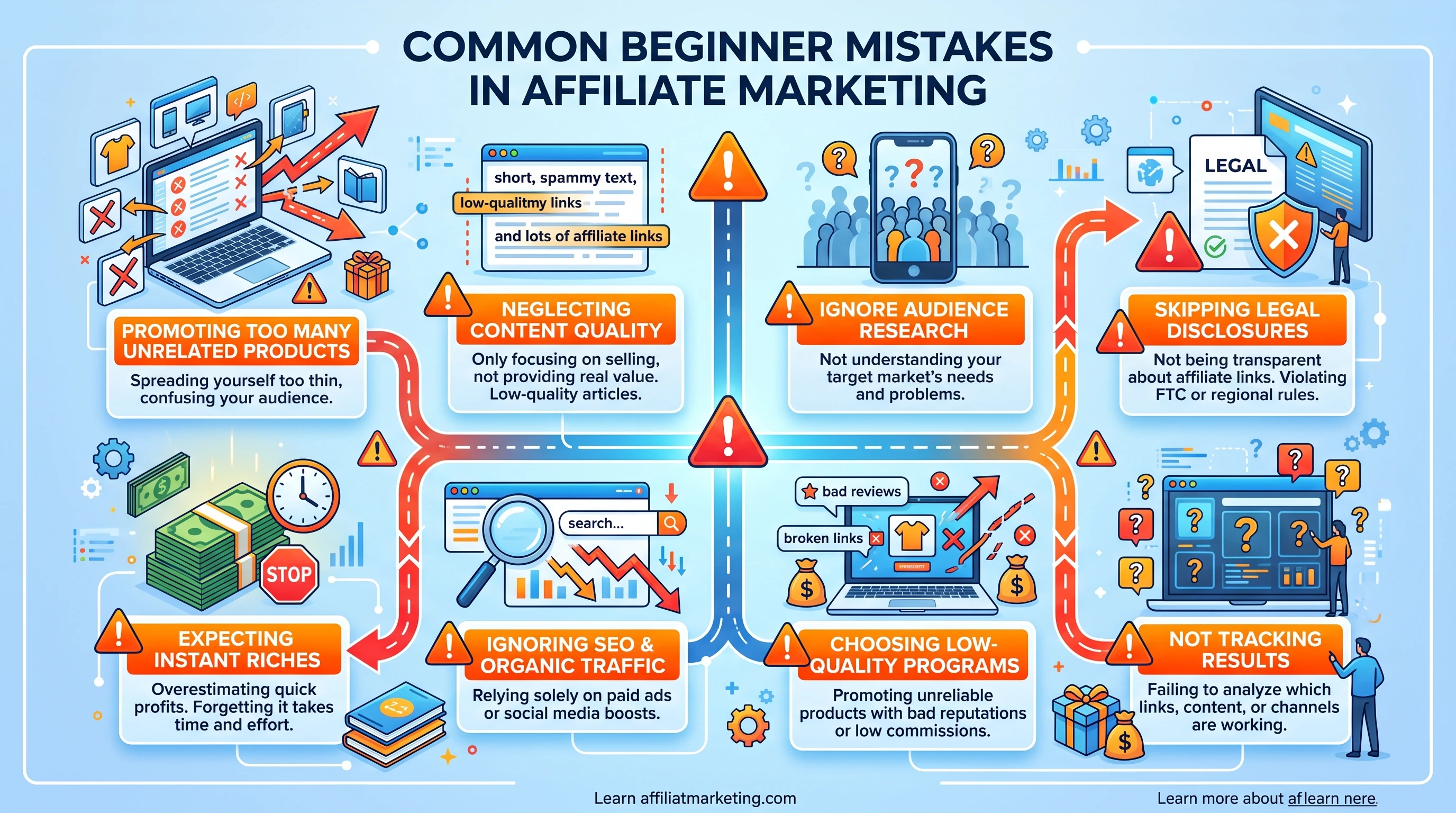
Some slip-ups pop up all over the place. Here are ten of the most common mistakes I see people make in their first year:
- Choosing the Wrong Niche
- Joining Too Many Programs Too Soon
- Ignoring Product Research
- Focusing Only on Big Commissions
- Not Building Trust with Your Audience
- Publishing Low-Quality or Duplicate Content
- Skipping Email Marketing
- Neglecting SEO and Content Optimization
- Setting Unrealistic Goals or Expectations
- Failing to Track, Test, or Update Campaigns
Each of these can stall your progress before you start seeing real results. Avoiding them sets you up for smoother growth and builds confidence along the way. Let’s check out what makes these missteps so important to dodge.
Getting Your Niche Right: First Steps Matter
Picking a niche is basically the first big decision you’ll make. Most beginners just pick something that looks popular or promises quick payouts. That’s one of the fastest ways to run out of steam or get lost in crowded markets. It’s a lot easier, and more fun, to stick with a topic you already care about or know something about.
For example, if you love fitness gear or always try new kitchen gadgets, those can be great starting points. It’s much easier to keep your content fresh and genuine when you’re excited about what you promote.
Plus, your enthusiasm shapes how much your readers trust you. Trying to fake love for something just because it has a high commission rarely lasts long. Instead, you should dig into sub-niches: Instead of just “fitness,” get into “home workout gear for busy parents” or “healthy cooking for singles.” Narrowing your focus can help you stand out.
Program Overload: Why Less Is More
It’s tempting to join ten or twenty affiliate programs right away. I see a lot of folks jump into dozens of programs, thinking it’ll boost earnings.
What usually happens is the opposite; managing too many links and offers can dilute your focus and make your content feel messy and disorganized. Instead, it causes confusion for your readers if every link points somewhere new or the recommendations aren’t consistent.
Instead, starting with one to three solid, reputable programs is usually more manageable. You get to know the ins and outs of their platform, and you can always add more partners later on. Focusing early helps you write better reviews and create stronger connections with your readers.
Skipping Product Research: The Slow Profit Killer
Recommending products you haven’t actually checked out is one of the fastest ways to lose credibility. If you suggest a terrible product, your readers are more likely to ignore your recommendations in the future, or worse, call you out for it.
Even a quick browse through product reviews, return policies, or a comparison with similar items can reveal red flags. Careful research helps you choose reliable and well-reviewed offers. It also makes it easier for you to answer questions from your readers later on.
Doing this research also protects your reputation; if something ever goes wrong, you can say you gave it a once-over and explained what you found.
Chasing High Commissions and Ignoring Quality
A lot of beginners chase the highest-paying offers they can find. While it feels exciting to get a big payout, these offers are often either tough to convert or not that useful to your readers.
It’s much easier and more reliable to promote products that are genuinely useful, even if the payouts are smaller. Readers appreciate honesty and helpful advice, and small, trustworthy commissions add up over time. If you focus on brands people already trust or products you’ve personally tried, you’re more likely to build a lasting audience.
Building Trust: Why Your Audience Matters
No one likes being tricked into buying something. Readers can spot spammy content in seconds. Focusing only on making a sale pushes people away. Treat your site visitors like real people; offer clear, honest advice and answer questions directly.
Giving honest product reviews (including pros and cons), sharing your own experiences, and not being afraid to mention alternatives can go a long way. The more value you offer, the more likely your readers are to return, trust your advice, or even share your content.
Building trust often comes from engaging on social media, answering emails, or creating honest “why I stopped using this” type of articles. Your transparency breaks through the noise.
Quality Over Quantity: Why Content Matters Most
Churning out quick, spammy, or copy-paste content is a huge rookie mistake. Search engines have gotten a lot better at spotting thin or duplicate pages. Even readers will click away if your info is boring or feels recycled.
Original, honest, and helpful content pays off much more than posting dozens of empty posts. Focus on answering real questions, giving firsthand feedback, and sharing relatable stories.
Good content sticks around longer and helps long-term SEO. Mixing in some variety, like infographics or personal stories, keeps things interesting for both readers and search engines.
Email Marketing: Don’t Skip This Step
Many people ignore building an email list because it seems tough or slow at first. The reality is, your list is often your most valuable asset. Owning your own email list lets you reach out to your audience directly, and you don’t depend on social platform changes or sudden Google updates to keep your traffic.
Simple tools like MailerLite or ConvertKit make it super easy to get started. Offering a freebie (like a checklist or resource guide) helps you gather emails, and you can slowly build relationships by sending tips, product updates, or personal stories that relate to your niche.
Over time, you can use email to let your audience know about new posts, limited offers, or answer their questions directly, creating stronger bonds and better results.
Ignoring SEO and Optimization: Traffic is Everything
Most new affiliate marketers forget about search engine optimization (SEO). Ignoring it usually means relying only on social media, which isn’t always stable or predictable. Even basic keyword research tools like Ubersuggest or Google Search Console can make a difference.
Make sure your site loads quickly, is mobile-friendly, and your articles answer the real questions people have. Adding clear titles, headings, and internal links helps both your readers and search engines find what they need. Remember that optimizing for SEO increases your reach, which in turn brings in more potential sales over time.
Don’t Fall for Get-Rich-Quick Ideas: Realistic Expectations Matter
There are tons of ads promising easy, instant profits from affiliate marketing. It just doesn’t work that way, no matter what you hear. Affiliate marketing can be profitable, but it usually takes at least a few months to start seeing steady results. Sometimes it’s a year before your efforts pay off.
The best thing you can do is keep learning, tweak your approach as you go, and don’t give up after a few slow weeks. Setting short-term, realistic goals, like 10 posts or 500 email subscribers, helps you track progress and stay motivated, even when bigger results are still a way off. Take time to celebrate small wins so you don’t burn out early.
Tracking and Tweaking: Why Reviewing Your Results Matters
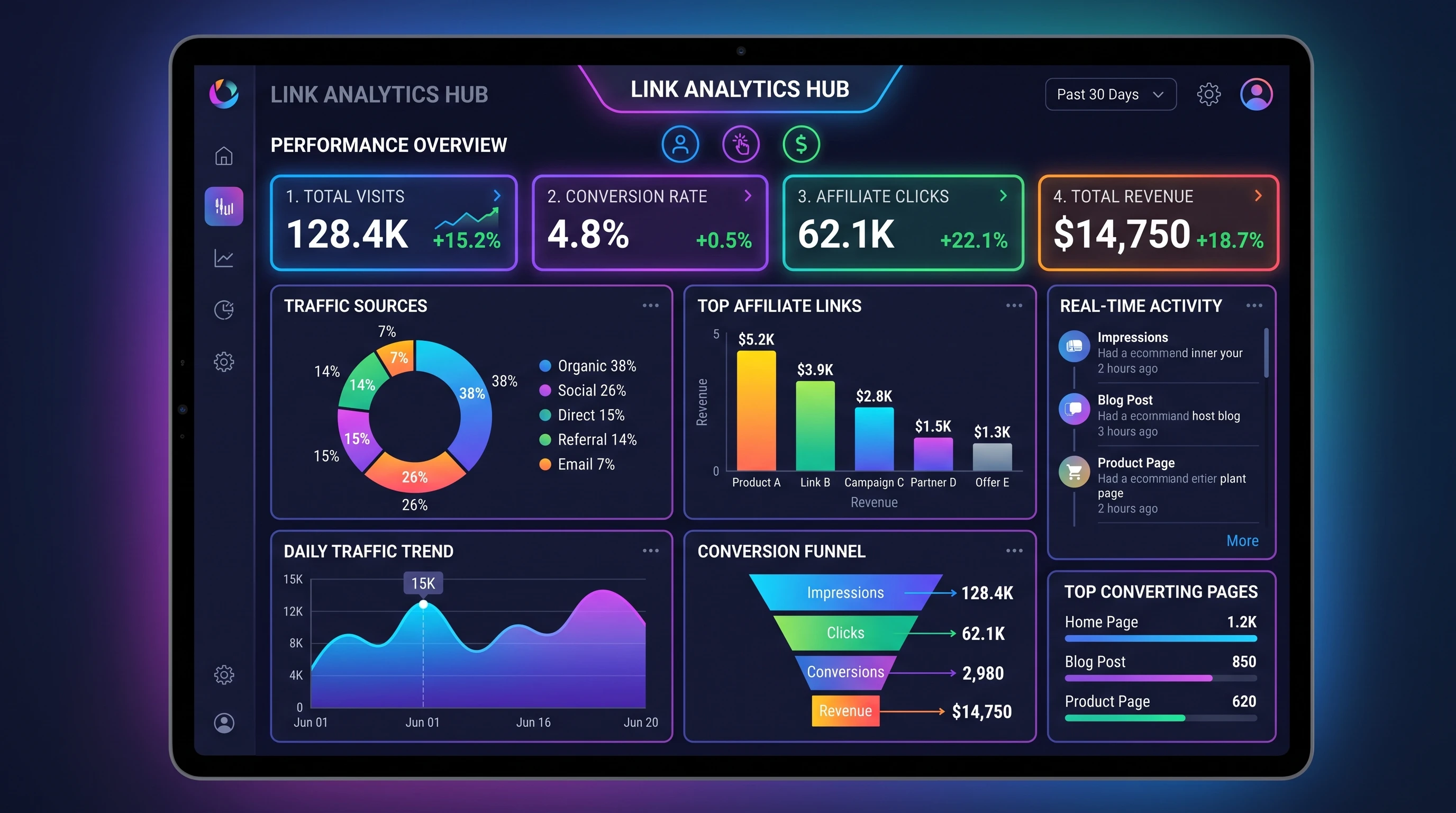
You can’t improve what you don’t track. If you’re not checking which links are earning, which posts are bringing in visitors, or which emails get opened, you’re flying blind. Using tools like Google Analytics, affiliate dashboards, and heatmaps gives you data so you know what’s working (and what’s not).
Small changes often lead to better results, like improving a call-to-action, changing link placements, or updating old posts with new info. The most successful affiliates always test and update, so make reviewing your results a regular habit. This strategy accelerates your learning and means your site gets stronger month after month.
Pro Tips for Building a Long-Term Affiliate Business
Once you’ve dodged most of the classic mistakes, you’re in a good spot to put some more advanced moves to work. Linking to helpful resources, building ‘how-to’ guides, and even creating demo videos help make your content super useful. Replying to reader questions or offering direct advice builds a sense of community on your site or social channels.
Reinvesting some of your early commissions into upgrades, like buying better hosting, new tools, or online courses, lets you grow even faster. The most important thing is to adapt, learn from feedback, and not be afraid to switch up your approach when something’s not working. It’s this ongoing learning that separates the hobbyist from the pro.
As you keep growing, you can also add some variety to your income streams. Consider building your own products, launching an online course, or even starting a podcast dedicated to your niche. Mix together different types of content and outreach so your business doesn’t rely on just one method for traffic or sales. This layered approach helps you weather any industry changes much more easily.
Choosing the Right Affiliate Programs
Not all affiliate programs are the same. Some have high payouts but strict rules or long payout periods. Others might be easy to join but don’t offer much support. I recommend browsing affiliate networks like ShareASale, CJ Affiliate, Wealthy Affiliate, or PartnerStack to compare offers. Checking reviews from other affiliates can help you spot red flags, payment issues, or sneaky terms.
Some products do better on certain channels. For instance, digital tools might do well with content that targets freelancers or remote workers, while physical products may be a better fit for review blogs or YouTube gear breakdowns.
Picking programs that align with your content style keeps things easier and more fun. It’s also smart to read the terms of service closely and reach out to affiliate managers with any questions before you invest a ton of time.

Frequently Asked Questions
Here are some of the questions I hear the most from people just starting with affiliate marketing:
Question: Can I do affiliate marketing without a website?
Answer: Yes, but it’s easier to build trust and consistent income with your own website. Some people use social channels or YouTube, but having a website gives you more control.
Question: How soon will I see my first commission?
Answer: It depends on your niche, how much you post, and how you attract visitors. Most see their first commission after a few months of consistent effort.
Question: How do I avoid promoting scammy products?
Answer: Check reviews, test products if possible, and only work with trusted affiliate networks. If an offer seems too good to be true, it probably is.
Question: Do I need to tell my readers I use affiliate links?
Answer: Yes; disclosing affiliate relationships is a legal requirement in many countries, and it helps build reader trust.
______________________________________________________________
Looking for more hands-on affiliate marketing tips? Check out our resources here.
Got questions, or just want to share your experiences? Drop a comment below or browse through the rest of the articles on my site.
If you want help turning your passion into a profitable online business, I’m always here to point you in the right direction.
START BUILDING YOUR AFFILIATE BUSINESS FROM SOMETHING YOU CARE ABOUT!