
SEO might sound intimidating, but you don’t need to be a tech genius to start getting visitors from Google, even without spending a cent. I’ve been working on websites for years, so I know that even total beginners can see real results with the right approach. It just takes simple steps, some patience, and a bit of creativity.
People often think SEO is only for big companies or pros with fancy software. That’s just not true. If you want your blog, small business, or hobby website to show up when people search online, there are straightforward ways to make it happen.
In this guide, I’ll walk you through how to get started with SEO so you can grab some free Google traffic, even if you’ve never set foot in the SEO world before.
What Is SEO and Why Should Beginners Care?
SEO stands for “search engine optimization.” Basically, it’s a set of steps you take to help search engines like Google understand your website. If Google gets what your site’s about, it’s more likely to show your content to people who are searching for it. That means more eyes on your posts, products, or services, no ad budget needed.
SEO isn’t about tricking Google. It’s about providing useful information, organizing it in a way search engines can easily read, and matching what real people are searching for. Even small improvements can add up to big gains in traffic over time. If you’re just starting, you don’t need expensive tools or huge investments. You can do a lot with a few free tweaks and the willingness to learn.
Think of SEO as a way to open doors to new opportunities for your website, instead of something secretive or complicated. Even if you just follow the basics, you can track down interested readers and grow your audience over time.
SEO Basics: Understanding How Google Finds Your Website
Google uses bots called “crawlers” to scan websites across the internet. These bots look for web pages, read their content, and add them to a massive index. When someone does a search, Google pulls from this index to match them with the best answers.
This whole process happens automatically, which makes it easy for anyone to appear in search results if they provide quality content.
If your pages are clear, well-structured, and relevant to what people are searching, you’re more likely to appear in those results. Here are a few key ideas to know:
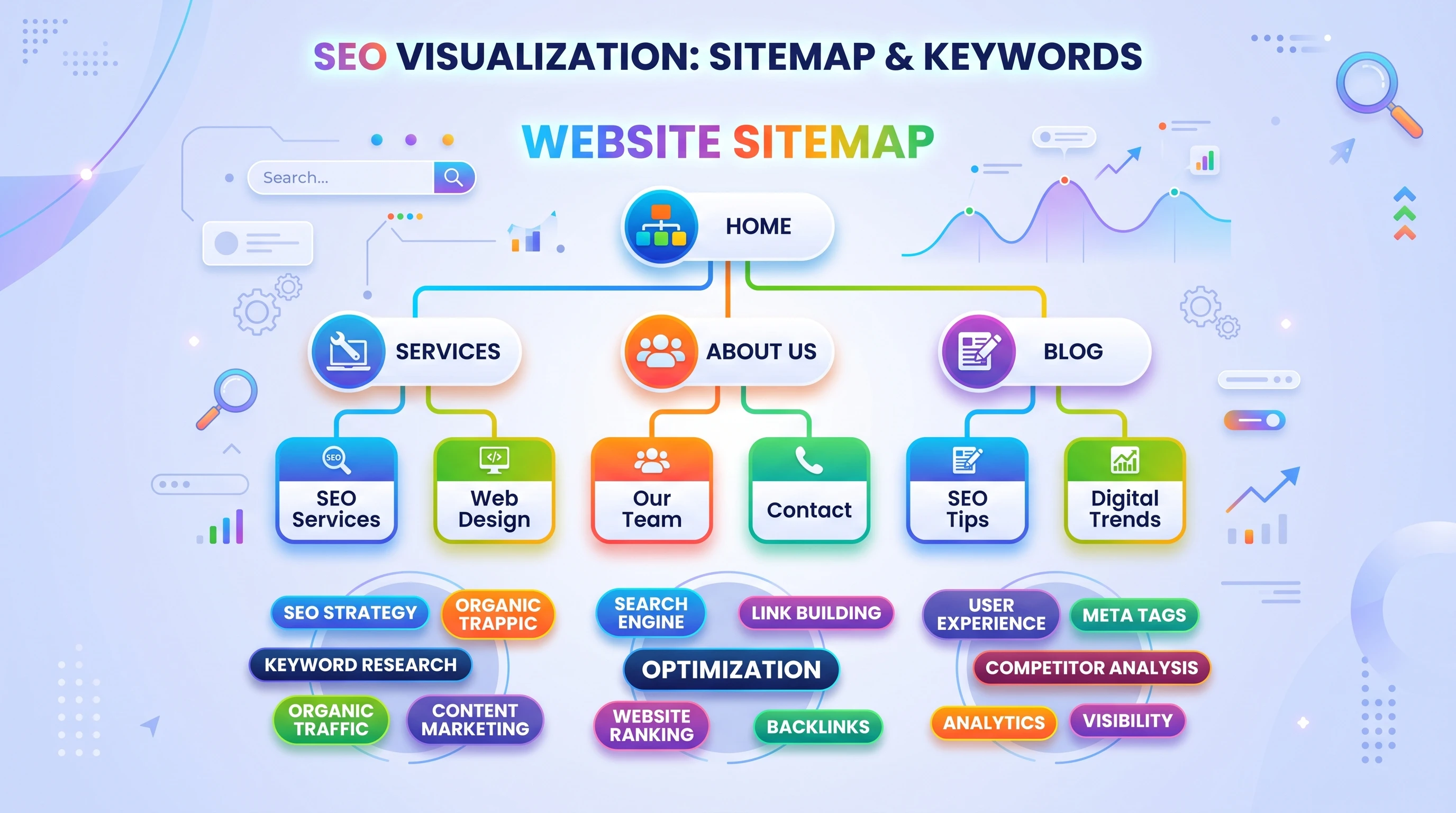
- Keywords: Words or phrases people type into Google. If you use the same phrases your audience is searching, your page is more likely to pop up in results.
- On-page SEO: Improvements you make on your website itself, like titles, headings, and image descriptions. These tell Google and readers what your content covers.
- Backlinks: Links from other websites to yours. They signal to Google that your content is trustworthy or interesting. Don’t worry—beginners can earn these over time as their content becomes more known.
As you learn more about SEO, these ideas start to make sense, and you’ll notice them when browsing the web yourself. Even websites you visit daily use these same strategies, whether you realize it or not.
Getting Started: Simple Steps for Beginners
Starting with SEO doesn’t have to feel overwhelming. Here’s how I got the ball rolling (and how you can, too):
- Pick a Topic You Know or Love: Google likes quality content. If you write about something you’re interested in, you’ll answer real questions and keep people engaged.
- Use a Free Keyword Research Tool: Tools like Ubersuggest, Google Trends, or KeywordTool.io help you find what people are searching for. Type in your main topic, note down the suggested keywords, and choose a few that match your content.
- Write Down Your Main Keyword: Once you’ve picked a keyword, use it in your page’s title, intro paragraph, and a few times throughout the text. Don’t overdo it; write for humans first, not just for search engines.
- Organize Content with Headings: Use clear headings to break up your text. Google notices headings like
and
tags, which make your pages easier to scan for both people and bots.
- Add Internal Links: If you have other related content, link to it. This helps readers stay on your site and signals to Google the topics your website covers.
With just these steps, you’re already ahead of many beginners. Simple details like good headings or internal links can really give your visibility a boost. Consistency is key; just keep at it, and you’ll see progress.
Common Beginner SEO Challenges (And How I Deal with Them)
Honestly, everyone faces a few roadblocks with SEO, especially early on. Here are some of the most common snags I’ve seen and tips for getting past them:
- Impatience: SEO results don’t happen instantly. It can take weeks or months before pages start showing up in Google. Tracking progress with free tools like Google Search Console is super useful to see where you’re improving.
- Technical Glitches: Sometimes, a website is slow or not working on mobile. These issues send people away, so it’s important to use clean website themes and test your site on a phone and computer.
- Keyword Stuffing: Some people think using a keyword over and over helps, but it just makes your content awkward. Sprinkle keywords naturally, and focus on providing real answers to people’s questions.
- Complicated SEO Plugins: WordPress plugins like Yoast or Rank Math can be helpful, but don’t get bogged down by their recommendations. Use them for guidance, but trust your writing style, too.
It’s perfectly normal to feel unsure at first, but the more you put your techniques into practice, the quicker you’ll get better results. Treat each step as a chance to get to know your audience better and spot new ways to make content valuable.
Dealing with Competition
Larger websites might already rank for many keywords. Instead of chasing huge topics, choose smaller, niche ones where you can shine. For example, instead of “how to cook,” aim for “easy vegetarian dinner for beginners.” This gets you more targeted visitors who are likely searching for YOUR answer.
Finding the right niche lets you build a loyal community and helps Google “get” who should visit your site, which pays off much faster than trying to outdo the big brands right away. Over time, as your website grows, you can start to tackle broader subjects.
Learning from Real-World Results
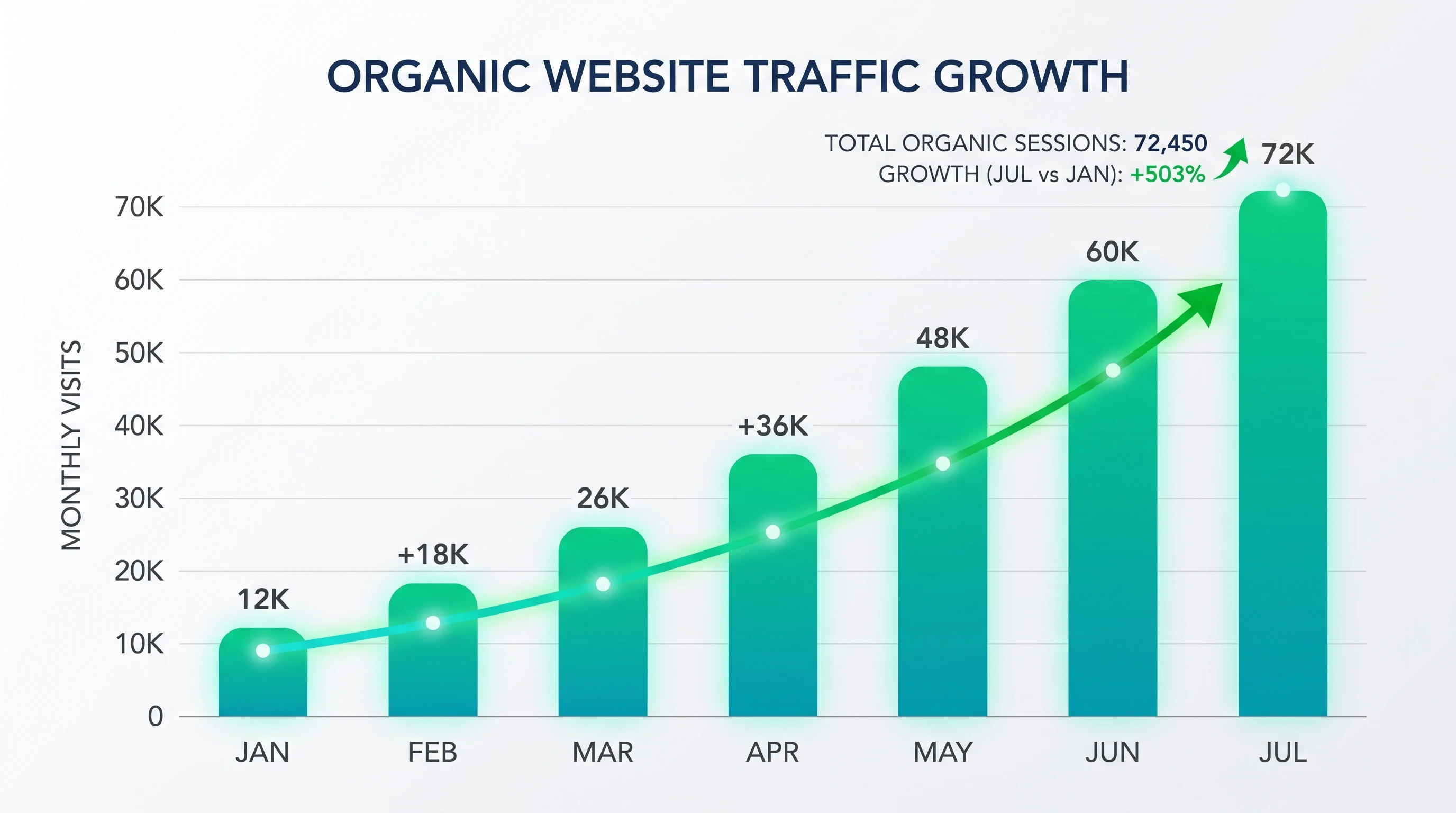
After I published my first batch of blog posts, only a few were picked up by Google. Over time, as I kept posting and refining pages, more and more articles started gaining traction. The key is to keep going, even if it feels slow at first.
Remember, traffic doesn’t always mean immediate success, but building up your content library and consistently updating helps your website get noticed. Many people stumble upon your site long after you publish, so each post is an investment for future growth.
Leveling Up: Easy SEO Tips Anyone Can Use
Once you’re comfortable with the basics, you can try a few extra SEO moves that don’t require any tech knowledge:
Optimize Your Images: Give your images descriptive filenames (like homemadebananabread.jpg), and use “alt text” to describe what’s in the picture. This helps with both SEO and for readers who use screen readers.
Refresh Old Content: I check older posts a couple of times a year, update outdated info, add new tips, or fix broken links. Google likes seeing active sites that keep their information current.
Write Meta Descriptions: In your blog editor, look for the spot to add a meta description. This text shows up under your page title in Google and can help more people click your link.
Get Involved in Online Communities: Share your posts (when it’s allowed) in forums, social media groups, or communities related to your topic. Don’t spam—add real value, answer questions, and build good connections first.
You can go further by building relationships with other bloggers, leaving thoughtful comments on related sites, or even teaming up for guest posts. Over time, all of these steps help your site stand out in Google’s eyes.
Beginner SEO Tools and Resources Worth Checking Out
There’s a ton of free stuff out there. These are my usual go-tos when working with SEO, and I still use them regularly:
- Google Search Console: Track which pages of your site are showing up in search results, spot errors, and see what people are searching to find you.
- Google Analytics: See how many people are visiting your site, where they’re coming from, and what they’re doing on your pages.
- SEMrush Keyword Magic Tool (free tier): Great for scouting out topic ideas and keyword suggestions to shape your content.
- Ahrefs Free Keyword Generator: A simple starting spot to brainstorm what people might be searching for.
All these tools are user-friendly, loaded with helpful tutorials, and can get you started without spending any money. As you keep learning, try out different features to see which ones fit your workflow best.

FAQ: SEO for Newbies
These are some of the questions I hear most when helping beginners make sense of SEO:
How long does it take to see results with SEO?
It’s pretty normal for new pages to take a few weeks or months to show up in Google. The more you post, and the more helpful your site is, the quicker you usually see results.
Can I do SEO myself without hiring someone?
Definitely. Everything I’ve listed here is easy enough for anyone with a little time and patience. If you ever hire help, make sure they focus on quality and honest tactics, not quick fixes or shortcuts.
Are there things I should avoid?
Don’t copy content from other websites, avoid spammy links, and don’t try to trick Google. Focus on providing real value, and you’ll be fine.
What’s the easiest way to pick keywords?
I think about what topics readers would type into Google. I plug these phrases into free tools to check their popularity and competition, then choose the ones that fit my topic best.
Is it important to be on social media for SEO?
Social signals help a bit, but you don’t need to be everywhere. Focus on one or two social platforms where your audience hangs out, and share posts when it makes sense.
Start Building Your Free Google Traffic
SEO isn’t about knowing every technical trick. Beginners can start attracting free Google traffic by sticking to the basics, focusing on what readers want, and making small improvements over time.
No matter what your website is about, simple steps like picking the right keywords, using clear headings, and keeping information fresh go a long way. Stick with it, stay curious, and watch your search traffic grow. If you have questions, feel free to drop a comment or connect with me online. There’s plenty of room for everyone to learn SEO and grow, even if you’re not an expert yet.
For more super detailed guides or resources about blogging, online business, or traffic building, check out other articles on this site. I’m always happy to help new site owners find their footing and see real results with SEO.