
How To Use AI To Analyze Affiliate Marketing Trends And Predict Profitable Niches Before They Take Off!
If you’re like me and always searching for ways to boost your affiliate marketing results, you probably know that spotting profitable trends early can really make a difference. AI has opened up a new world for marketers who want to sift through tons of data and spot golden opportunities in less time.
Here, I’ll walk you through how you can use AI to analyze affiliate marketing trends and pick out those high-potential niches without needing a data science degree.
Why AI Matters for Affiliate Marketers Right Now
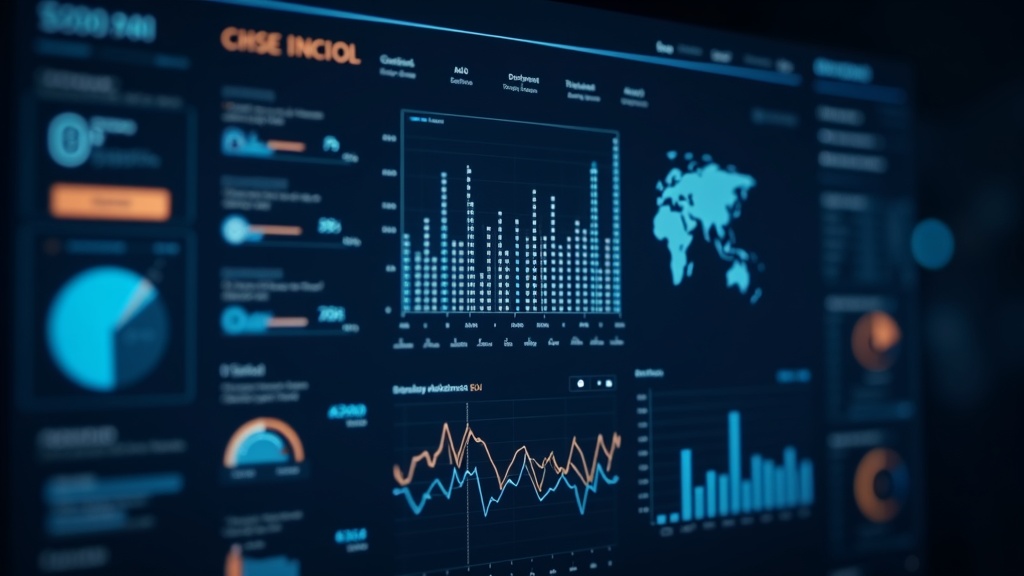
The affiliate marketing landscape moves fast. Trends can pop up, explode in popularity, and fizzle out, all within a few months. Traditional methods just can’t keep up with the way consumer interests shift so quickly online. Using AI lets you not only react faster but also start to predict which niches are about to take off.
AI tools can analyze search trends, social chatter, and even competitor strategies much faster than any person. For example, while I used to spend hours scrolling forums, reading subreddits, and hunting through search data, I now rely on AI platforms that pull all that info together in one place. I get clearer signals about what’s on the rise, which helps me make smarter choices when picking affiliate offers.
Big companies and solo marketers alike are using machine learning, natural language processing, and predictive analytics. That might sound complicated, but the actual process is getting simpler every year. AI can help you skip a lot of guesswork and spot opportunities you might have missed before.
Key Types of Data AI Can Analyze for Affiliate Marketing
AI thrives on data, and affiliate marketing has plenty of it. When you feed the right info into an AI tool, it starts looking for patterns and shifts that would take you ages to find by hand. Here are the main types of data I usually focus on:
- Search Engine Trends: AI can parse search volumes and keyword changes to pick out rising product categories or services. Google Trends, for instance, can help pinpoint which products are getting hot based on search data alone.
- Social Media Signals: Social listening tools driven by AI can scan for brand mentions, hashtags, and topic trends across platforms like Twitter, TikTok, and Instagram. This helps figure out what’s catching fire with real audiences.
- Competitive Insights: AI tools can track your competitors, see which affiliate programs they’re pushing, and what’s working (or not) for them. This info is pretty handy for finding gaps or new angles to try yourself.
- Sales and Traffic Analytics: By analyzing traffic patterns or sales funnels, AI spots which products convert best or if certain niches are underserved.
Combining these data points gives a much clearer view of where things are heading in affiliate marketing.
Practical Ways AI Can Spot Profitable Affiliate Niches
I’ve used AI-powered tools in a few different ways to help narrow down the best affiliate niches. Here’s how you can apply these strategies, even if you’re just starting out:
- Trend Detection: Tools like Exploding Topics or Google Trends (with AI layers) recognize keywords or topics gaining popularity before they show up in mainstream reports.
- Sentiment Analysis: AI can sort out how people feel about certain products or categories by scanning reviews, forum posts, and social media. If lots of folks are hyped about something new, that usually means potential for commissions.
- Gap Analysis: AI can show you where lots of people are searching for answers or products, but there aren’t many quality resources or offers yet. This is a sweet spot for affiliates looking for less competition.
- Competitor Analysis: With AI, you can quickly see which channels or products your rivals are focusing on. If everyone’s piling on the same thing, you can look for related but less crowded niches using the same data.
For example, I once found a niche in nontoxic home goods by running a combo of search and sentiment analysis. The data showed more people talking about “safe cleaning products,” but not many big affiliate sites focused on it yet. Getting in early helped me gain fast traction.
In fact, by using AI-powered tools, I could keep an eye on how the audience was reacting, adjust my strategy, and grow my traffic steadily. This hands-on experience really underscored the value of AI in niche selection.

Popular AI Tools Affiliate Marketers Are Using
The number of AI tools available is pretty wild, but I’ve tried a handful that work well for affiliate marketing. Here are a few worth checking out:
- BuzzSumo: Looks at what content is trending, how it’s shared, and which topics are getting the most love. Great for content ideas and finding hot topics.
- Exploding Topics: Spotlights early-stage trends using predictive AI, really handy for picking up on new niches before they’re everywhere.
- Ahrefs and SEMrush: These are more traditional SEO tools, but they use AI for keyword tracking, competitor monitoring, and content gap analysis.
- Crayon: Focuses on competitive intelligence using AI to track what other brands and marketers are up to.
- ChatGPT/Bard: I use these for quick research, brainstorming, and even asking what affiliate topics are trending, based on the latest public data.
You don’t need to use every tool. Just pick one or two that fit your workflow and budget, then get familiar with how they surface data and trends. For example, BuzzSumo is great for finding content ideas, while Exploding Topics helps you track down those early trends no one is talking about yet. Using these tools together can really give you a clearer picture of where to focus your efforts.
Getting Started: Step-by-Step Process for AI-Based Trend Analysis
Jumping into AI-driven research doesn’t take much technical know-how. Here’s my go-to way for using AI in my daily work:
- Set Your Goals: Know what you’re looking for, whether that’s untapped niches, rising keywords, or trending product areas for your audience.
- Collect Your Data: Plug in topic ideas, keywords, or URLs into your chosen AI tools. Pull in search trends, social chatter, and traffic data.
- Analyze the Results: Let the AI do its thing. It will flag keywords, big volume shifts, new products, or audience sentiment changes.
- Filter and Validate: Don’t trust every AI-generated idea blindly. I always compare results from at least two tools, double-check competitor saturation, and make sure any niche has solid affiliate programs and market demand.
- Take Action: Start building out content, campaigns, or landing pages. Keep using AI to track if the trend keeps growing or fades away so you can pivot fast.
This process streamlines your decision-making and lets you spot possibilities while your competitors are still digging through spreadsheets. When running your first few campaigns, it’s smart to keep notes on what the AI tool predicted and how the trends actually performed, helping you tweak your approach over time.

Challenges and What to Watch Out For
AI is super useful, but it’s not perfect. Sometimes it can spit out tons of ideas without context, or push you toward crowded markets. Here are a few things I watch for:
- Bad Data: If your source data is outdated or unreliable, AI predictions can go off track. Always use trustworthy tools and current info.
- Too Much Competition: If an AI tool tells you a niche is booming, chances are others see it too. Look for those spinoffs or subniches that aren’t as popular yet.
- Short-Lived Trends: Some trends vanish as quickly as they arrive. Make sure to check the staying power of a trend before investing serious time and money.
Even with the coolest tech, I still use my own judgment and experience. Combining AI with real-world market sense usually gives the best outcomes. Don’t forget, a trend that looks promising in data might not suit your audience or expertise, so balance numbers with your own insights.
Advanced Tips for a Smarter AI-Driven Approach
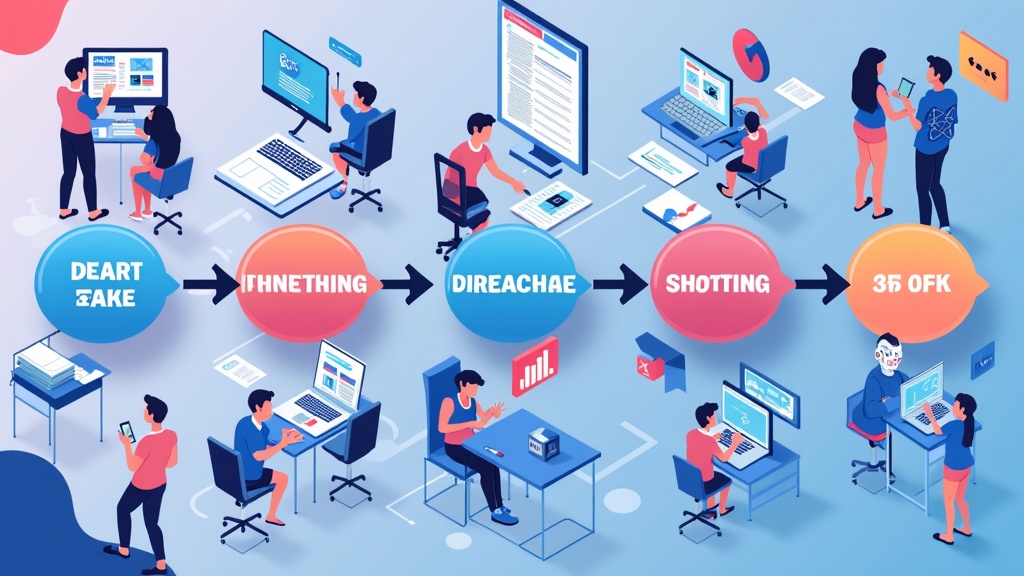
After you get comfortable with basic AI trend tools, you can take your research up a notch. Here are a few things I’ve picked up along the way to get better results:
- Automation: Set up notifications or regular reports so you don’t miss trend shifts. Many tools can alert you when keywords or topics spike.
- Cross-Channel Monitoring: Don’t just stick to Google Trends. Monitor emerging platforms like Pinterest, Reddit, or new apps using AI-powered tools to spot under-the-radar movements.
- Custom Modeling: If you want to dig into the data even more, some advanced tools let you customize filters and models. You can set specific rules, like being notified only when a trend crosses certain numbers or a topic gains a set level of social buzz.
Stay flexible and keep learning. Because affiliate markets change fast, the more adaptable you are, the easier it is to ride new trends to better results. Consider setting aside regular time each week to review trends, test new tools, and brainstorm new content ideas so you’re always ahead of the game.
FAQ: Using AI for Affiliate Marketing Trends
How do I know if a niche is profitable before jumping in?
Use AI tools to check search trends and demand, plus see what current affiliate offers are paying. Combine data from at least two sources for a clearer picture before you build out a campaign.
Are paid AI tools better than free ones?
Paid tools usually have better data and advanced features, but many free ones work well for basic research and trend tracking.
Can AI help after I’ve chosen a niche?
Definitely. AI can keep tracking trend strength and spot new keywords, allowing you to switch your strategy as the market shifts.
Is AI complicated to learn for non-techies?
Most AI marketing tools today are user-friendly. Start with basic features, and you’ll pick up more advanced tricks as you go. Watch out for steep learning curves with very advanced tools, but the majority are quite straightforward.
Can I use AI to write content for my affiliate site?
Yes, many affiliates use AI tools like ChatGPT to brainstorm topics, draft outlines, or even write first drafts, which you can then personalize for better results.

Wrapping up, AI gives affiliate marketers an edge, letting you track down trends faster, find hidden gems, and build campaigns that score better results. Mix solid data with your own judgment, and you’ll be set to make the most of whatever comes next in affiliate marketing. Stay curious, try new tools, and you’ll be ready to jump into the next big trend the smart way!
____________________________________________________
To learn more about me, click here! I want to build trust, so please take a look at my bio!
Try out my choice for learning affiliate marketing, AI tools, and building an online business using these great resources! Here’s 50+ real businesses you can start today!

TRY WEALTHY AFFILIATE FOR FREE – NO CREDIT CARD REQUIRED!