
Affiliate marketing is one of the most accessible ways for anyone to earn money online. Many people wonder how much it costs to start affiliate marketing in 2026 and if it’s possible to get started with little or no money.
By understanding the different expenses involved, I can help you plan your startup and avoid surprises. Knowing these costs also helps you decide if this online business model is right for you.
The 2020s made affiliate marketing more popular as digital content and online shopping continued to grow fast. In 2026, the trend builds on that momentum, giving new marketers a larger audience and more choices for promoting products.
Starting out feels less intimidating when you know what to expect, even if you have no technical background or existing website experience.
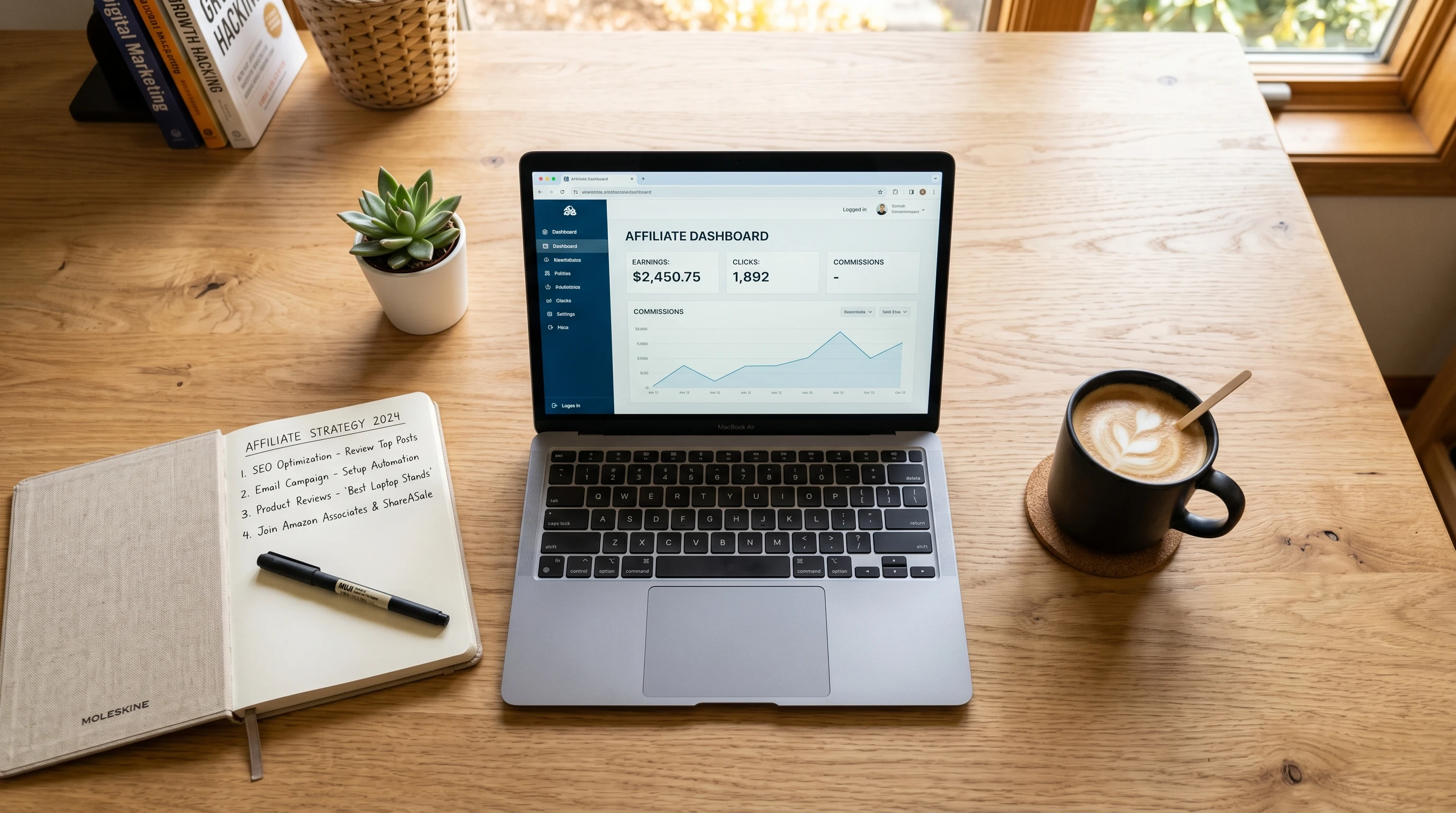
Understanding Affiliate Marketing Startup Costs
The first thing I realized when I began my affiliate marketing adventure was how flexible the costs can be. Some people spend nothing, while others invest hundreds or even thousands of dollars, depending on their goals and methods.
There isn’t a fixed price for starting in this field. Instead, the cost to start affiliate marketing usually depends on your approach, level of involvement, and how quickly you want to see results.
Most affiliate marketers divide costs into a few main categories. These are domain and web hosting, website tools, content creation, marketing, and optional training or paid software.
You could choose the free, DIY route, but some investments save time and help you grow faster. Each cost varies, but I break down an average range for each below so you can plan your budget wisely.
Free vs. Paid: Can You Start Affiliate Marketing for Free?
It’s natural to ask if you can start affiliate marketing for free. Plenty of places online promise a zero-cost path, and it’s true that you don’t always have to spend money upfront. Free options include promoting products on social media, using blogging platforms like Medium, or joining affiliate programs you can access with just an email address.
If you already have a good following on platforms like TikTok, Instagram, or YouTube, you may not even need a website to begin.
Starting for free removes financial risk, but it usually comes with limits. You might have less control over your brand, and changing rules or algorithms could affect your reach. For most people, spending a small amount on essential tools offers better long-term results and stability. Even so, if you’re just testing the waters, free methods help you learn without stress.
There are even more ways to get started for free in today’s landscape. For example, you can join affiliate networks directly from your phone, share links through direct messaging apps, and take part in online events or groups that let you share recommendations without cost.
However, keep in mind that these free routes often give you less control and fewer ways to develop your online presence further.
Essential Affiliate Marketing Startup Costs
A realistic plan means understanding where money goes if you decide to invest in your affiliate marketing business. Here is what I typically see as the biggest areas where new marketers spend their first dollars in 2026:
- Domain Name: Every professional website needs its own domain name (like yourbrand.com). These usually cost $10 to $20 per year through top providers like Namecheap, GoDaddy, or my choice, Wealthy Affiliate.
- Web Hosting: Reliable web hosting is required if you want a selfhosted website, which gives you more control over your online presence. Shared hosting plans from companies like SiteGround, Bluehost, or Hostinger are often $40 to $100 per year for new sites. More advanced hosting options cost more.
- Website Builder or CMS: WordPress is a popular, free website platform. Easy to use website builders like Wix or Squarespace may cost $10 to $30 per month, but some offer free basic versions if you don’t mind ads or branding.
- Logo and Branding: If you want a custom look, basic graphic design through DIY tools like Canva is free, but premium features or hiring a designer might run $20 to $100 for simple branding.
- Content Creation Tools: Most beginners start by writing articles themselves. If you plan to use AI writing tools or pay freelance writers, expect to spend $10 to $50 per article. Free AI content tools are available, but premium ones cost $15 to $50 per month or charge per use.
Other optional, but helpful tools and services include:
- SSL Certificate: Security is key. Many hosts include SSL for free nowadays, but some charge $10 to $30 per year.
- Premium Themes and Plugins: A custom website design can cost between $30 and $100 depending on the features you want. While free themes are available, premium options often improve site speed and user experience.
- Professional Email: If you want an email address at your domain (like you@yourbrand.com), this could run you $12 to $60 per year.
All these functions can be handled all in one place! And you can start for free.
Marketing and Promotion Expenses
Promoting your affiliate links or website can cost nothing if you rely only on free methods like SEO and organic social media. These strategies often bring the highest profit but require more patience and manual effort. As your business grows, or if you want faster results, you may choose to spend on:
- Paid Advertising: Google Ads, Facebook ads, and influencer partnerships can deliver fast website traffic. Beginners often test paid ads with budgets of $50 to $200 per month to start. Successful campaigns may later require bigger investments.
- Email Marketing: Building an email list gives you reliable, direct reach. MailerLite, ConvertKit, and other providers offer basic plans for free, but larger lists or advanced features can be $10 to $50 per month.
- Social Media Tools: Scheduling posts or tracking your results with tools like Buffer or Tailwind may cost $10 to $30 each month, though most offer free trials.
There are innovative promotional strategies in 2026, too. Interactive live streams, micro-influencer partnerships, and even shortform video apps have become trending. While these are mostly free to get started, spending on production tools or collaborative promotions can add up as you scale.
Optional Training and Learning Resources
I found that spending some money on education often shortens the learning curve. The affiliate marketing field is always changing, so courses and online communities can help you avoid outdated advice. Here’s what to expect:
- Online Courses: Affordable beginner courses cost from $30 to $200, depending on the subject and platform (Udemy, Coursera, private coaching groups, etc.). Some advanced courses run $500 or more, but many people start with free content from YouTube or blogs.
- Communities and Forums: Subscriptions to exclusive Facebook groups, mastermind sessions, or private member forums can run $5 to $30 per month. These connect you with experienced marketers and faster support when you’re stuck.
- Books and Ebooks: High quality business books or ebooks generally cost $10 to $30, with many free classics available as well.
Some marketers choose to set aside a personal development budget each month. This can pay off in the long run by keeping you up to date with industry trends, helping you form connections in the field, and building confidence when tackling new marketing tactics.
With Wealthy Affiliate you also get a compete training system and you can try it for free!
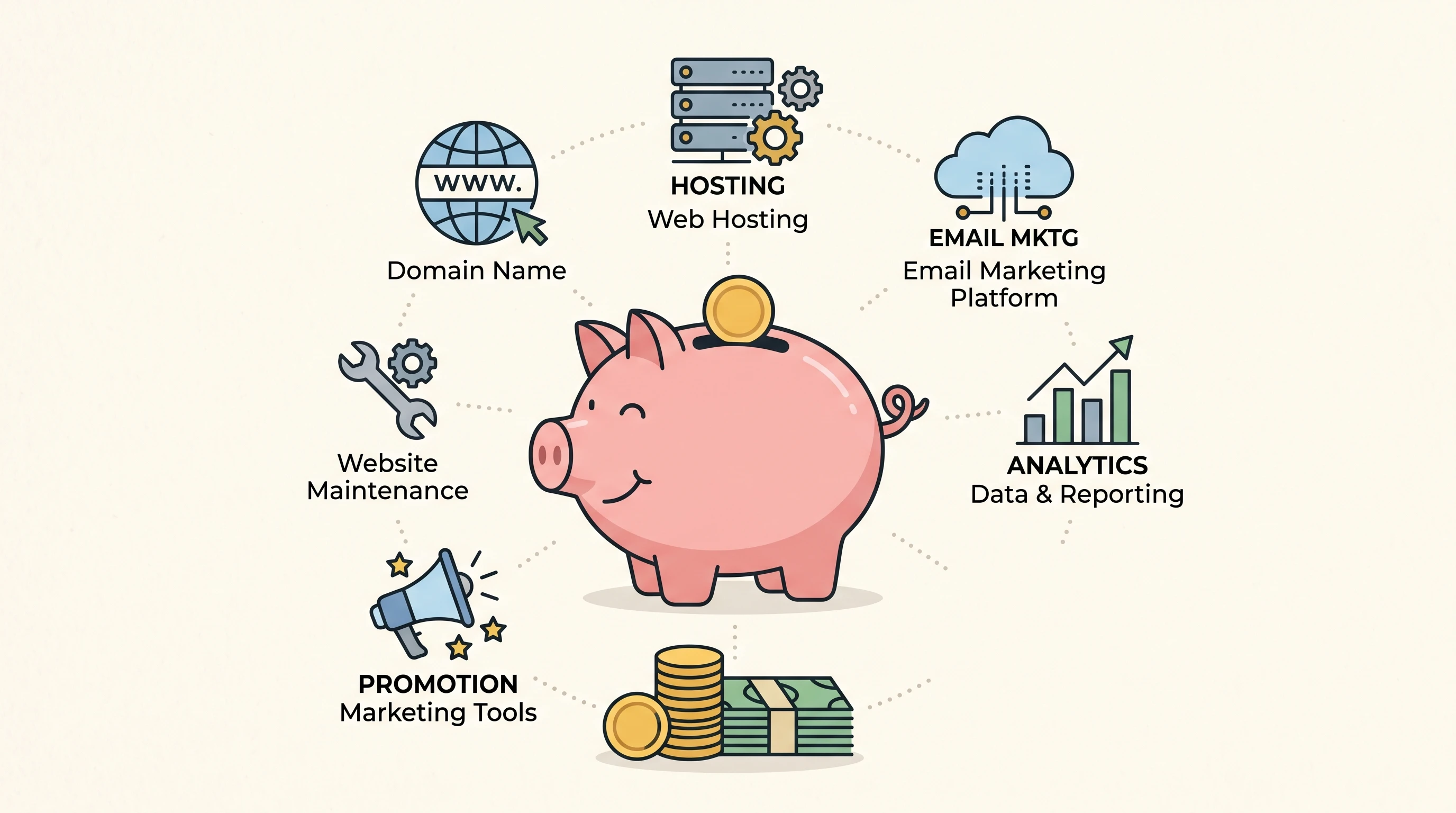
Software Tools and Technology for Affiliate Marketers
As I gained more experience, using online tools became really helpful for growing my affiliate marketing business. You do not need everything upfront, but some tools save time and improve your results. Costs range from free to about $50 each month, with options like:
- Keyword Research Tools: Tools like Ubersuggest, Mangools, or Ahrefs Lite provide valuable insights. Some offer free versions, but advanced keyword plans commonly range from $20 to $99 monthly. Beginners can usually make progress with free plans or trial periods.
- Link Tracking and Analytics: Tools like Google Analytics (free), Bitly, or Pretty Links ($5 to $20 per month) help you monitor performance and see which links perform best.
- AI Content and Image Tools: Artificial intelligence helps with creating content, images, and even video shorts. Free options are available, but advanced tools like Jasper, Rytr, and Canva Pro typically cost $10 to $50 monthly.
- SEO Plugins: If you use WordPress, plugins such as Yoast SEO or Rank Math are free to start, though premium upgrades add features at $50 to $100 per year.
I always suggest starting slow to avoid overspending, then adding more tools as your business grows. Many tools bundle features, allowing you to handle website security, backups, and performance optimization all in one package. Take advantage of free trials or all-in-one suites to maximize value before committing to separate monthly payments.
Real-World Examples: Affiliate Marketing Startup Budgets
When thinking about affiliate marketing startup costs, seeing real numbers in different scenarios can help. Here are three common examples:
- UltraBootstrap (Under $50): You use a free blog platform like Medium, publish social posts, and join affiliate programs that accept new partners instantly. You may only pay for a domain name or skip it entirely. This approach takes longer to become profitable, but it is possible for testing ideas and learning.
- Basic Website Build ($150 – $300): With your own domain and shared hosting, you use WordPress, DIY content, and free versions of SEO tools. You spend small extra amounts on logo design or email marketing and rely mostly on organic promotion.
- GrowthFocused ($500+): Adding to the above, you invest in paid advertising, use premium collaboration or SEO tools, pay for professional content, or enroll in an online course. This speeds up results but involves more risk if you’re not careful with budgeting.
There are affiliate marketers who opt for even larger startup budgets, especially if they outsource content right away or work in super competitive niches. But for most beginners, starting on a small scale and reinvesting profits is the safest way to reach real results while controlling risk.
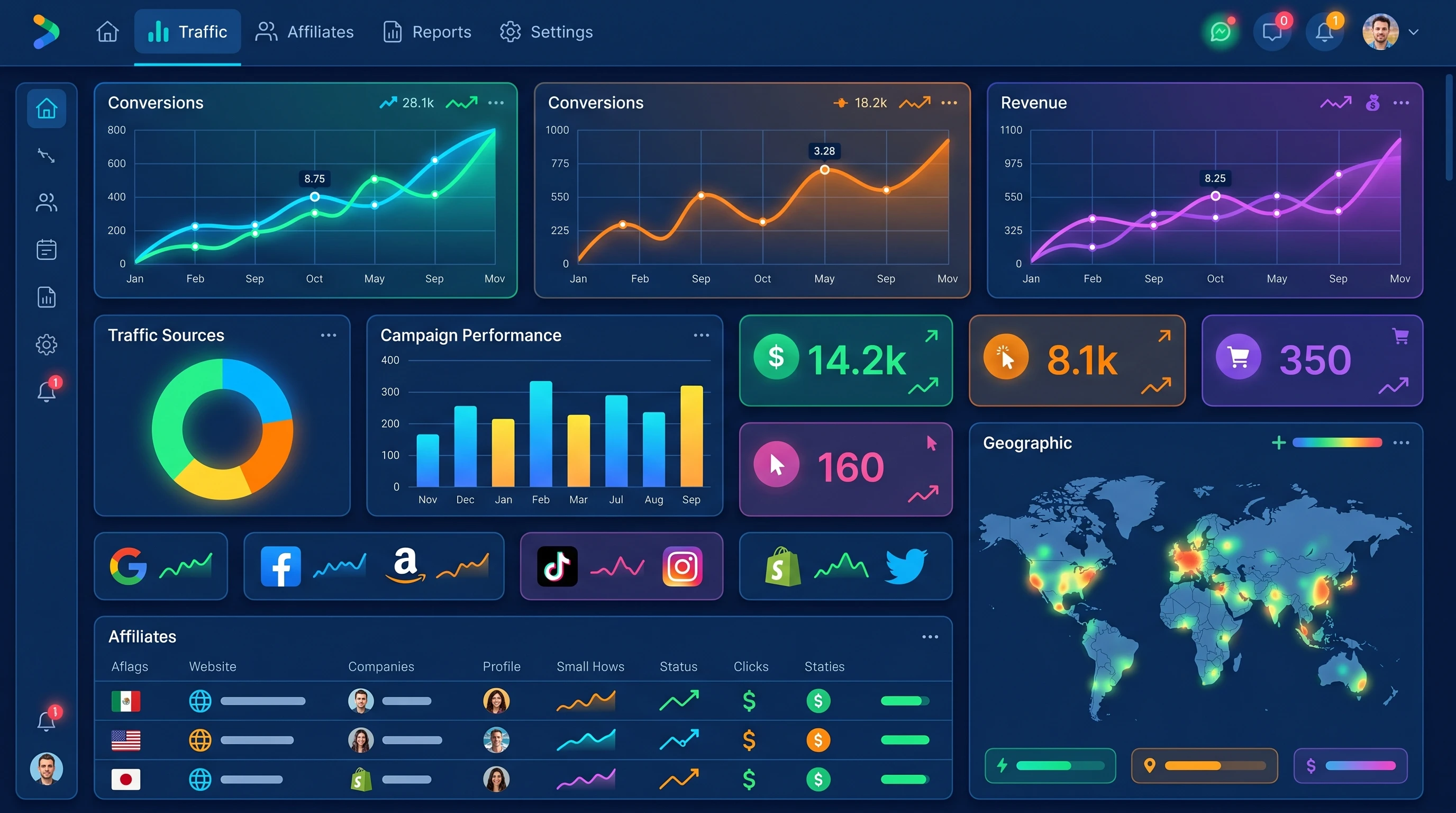
Challenges and Tips for Managing Affiliate Marketing Costs
Costs can quickly add up if you aren’t careful. I picked up a few practical tips along the way for avoiding wasted money:
- Start with the basics and free versions of any tools until you see steady growth or income.
- Track spending carefully in a spreadsheet so you know where profits and losses stand each month.
- Invest your first profits back into things that actually save time or generate more revenue, like better content or faster websites.
- Check reviews and community feedback before buying any course or tool to avoid hype driven purchases.
- Focus on just one or two promotional methods to avoid spreading yourself too thin.
Setting a monthly budget and sticking to it helps you stay disciplined. This way, you can grow without feeling stressed over money. It’s also worth scheduling a regular review of your spending each quarter so you can find unnecessary tools and streamline your workflow.
Another trick is to reach out to other affiliate marketers in forums or groups to ask what has genuinely worked for them. Community feedback helps you skip costly trial and error, and sometimes people share free or cheap resource hacks they’ve stumbled upon along their own adventure.

Frequently Asked Questions
These are some of the top questions I hear from people wondering about affiliate marketing startup costs and options.
Question: What is the minimum cost to start affiliate marketing in 2026?
Answer: Many beginners start for free using social media or free blogging platforms. If you want your own website, a realistic minimum is about $50 for a domain and a few months of entry level hosting. You can stay under $100 for the first year with lean spending.
Question: Can you start affiliate marketing for free?
Answer: Yes. Free platforms and social media let you test affiliate programs without spending anything. However, investing modest amounts (like in hosting or software) usually helps you look more professional and grow faster. Check out the source I have used since 2014 to buld an online business and get all the tools you need in one place!
Question: Do I need to pay for expensive courses to succeed?
Answer: No. Plenty of respected blogs and YouTube channels offer up to date advice for free. Paid courses or masterminds can speed up learning, but you do not need to purchase expensive ones to get results, especially at the beginner stage.
Question: Are there hidden costs in affiliate marketing?
Answer: Some platforms and tools show low entry prices, but features or higher usage often come with extra fees. Always check what is included and look for renewal prices or upsells after the first year.
Question: Do I need a website to do affiliate marketing?
Answer: No, but having your own website improves stability and control. Beginners can start with social platforms, but having your own website creates more trust and resilience for future growth.
If you have more questions, you can always reach out for direct advice or look up affiliate marketing forums for the latest community updates. If you stumble upon new tools or want clarity on a specific detail, asking others can be a shortcut to solutions.
____________________________________________
For more insights and resources on building your own online business, see trusted resources such as Affiliate Marketer Training. Investing in your skills, even in small steps, pays off over time as you grow your affiliate business!
Feel free to share your own tips or questions about affiliate marketing startup costs below. I’m happy to help others get started on the right foot!