
Picking the right niche for your online business is one of those steps that can really make or break the whole ride. Instead of guessing, I learned it’s all about making decisions that fit you, your interests, and what people actually want to buy online.
If you pick something that gets you excited, it makes staying motivated so much easier down the road. Ask yourself, what do you enjoy doing? Can you share that so others can do the same? What things do you use that make your interests better? If you can answer these questions, you likely have an online business.
It can seem like every possible niche is already taken, but there is always a way to offer a fresh angle. So, I’ll share what I’ve learned about choosing a niche that clicks for both your goals and your potential customers. Let’s get into the details.

What is a Niche and Why Does it Matter?
A niche is just a smaller, focused segment of a broader market. Instead of trying to sell to everyone, you target a group with specific needs or interests. For example, instead of launching a generic fitness blog, someone might focus on “home workouts for busy parents.” That’s a niche.
The reason niches matter is that the internet can be crowded in certain niches, like the broad topic of health. Standing out is easier when you know exactly who you’re talking to and exactly what they care about. Brands that focus on a clear niche also tend to be more helpful, more trusted, and easier to remember. You don’t need a huge audience. You just need the right one.
For example, if you track down a specific problem to address within the broader field of health, you position yourself as the go-to solution. By bringing out something unique, you give people a reason to remember you and come back.
Understanding Your Interests and Strengths
Choosing a niche that lines up with your genuine interests makes running your business feel less like work. I always start with a list of topics that get me excited, maybe things I can talk about for hours, or hobbies that have taught me some real lessons. From there, I get a feel for how my skills, knowledge, or even personality can become assets in certain niches.
Not every interest will lead to a profitable business, but when you mix your experience with market demand, that’s where strong niches show up. For instance, I knew a guy who loved both gardening and gadgets, and he started a successful site around tech gear for urban gardeners. When you match knowledge with demand, it’s a winning combo.
Spotting Skills and Backgrounds That Stand Out
Think about your job history, side projects, and the stuff your friends ask you for advice on. If you know more than most about a certain topic, that would be a good place to start. Maybe you’ve spent years learning about eco-friendly cleaning products or troubleshooting gaming PCs. That could be a great foundation for your niche.
Sometimes the overlooked details in your daily life can lead to niche ideas. If you’re the person who always knows the best deals or has creative fixes for houseplants in small apartments, those are strengths worth exploring. It can pay off to blend together seemingly unrelated interests to set yourself apart.
Researching Your Potential Market
After picking a few areas that interest you, research helps you get a sense of whether there’s actually an audience. I usually start with a few Google searches, poke around in Facebook groups, and scan Reddit, Quora, or niche forums to see what people are talking about or complaining about.
Keyword research tools like Google Keyword Planner, Ubersuggest, or AnswerThePublic can show you what people are searching for in your possible niches. If thousands of people are trying to solve the same problem or looking for the same advice, that’s a good sign.
Don’t forget to check YouTube, podcasts, and TikTok for trends or questions in your niche. Sometimes you’ll stumble upon fresh angles or hot topics you hadn’t considered before. Getting involved in these communities not only sharpens your understanding but also helps with building connections down the line.
Analyzing Competition
Every niche has competition, but that’s not a bad thing. It proves demand is real. I look at the top sites or online businesses in that niche to see how crowded the space is, what topics they cover, and if there are any gaps. If every competitor site is boring, too technical, or misses real-life solutions, that opens doors for a new approach.
Check to see if your competitors are addressing real pain points or just rehashing the same advice. Where you spot a lack of personal stories or issues left unresolved, you can step in and stand out by offering genuine value and personal insights.
Evaluating Profit Potential
Interests matter, but you want to make sure people actually spend money in your potential niche. I like to check for:
- Products or Services: Are there things (digital or physical) you can sell, like guides, courses, tools, or branded gear?
- Affiliate Options: Can you recommend helpful products through affiliate programs and earn commissions?
- Advertising: Are there enough site visitors to support ad revenue?
- Online Communities and Courses: Are folks in this space willing to pay or join memberships?
If you see ads in search results, lots of sponsored posts, or a steady churn of new offers in your niche, that’s another clue this market is buying things.
Another thing I do is spend time looking at online marketplaces, such as Etsy, Amazon, and Udemy, to see what’s already selling. If you spot multiple successful products serving your target group, that usually means good potential for your own business.

Common Niche Pitfalls and How to Avoid Them
Niche selection sounds straightforward, but there are a few traps that catch a lot of folks off guard. Here’s what I learned to watch out for:
- Too Broad: If your topic is huge, like “fitness” or “cooking”, it’s tough to stand out. Go specific, like “meal prepping for vegans on a budget.”
- Too Narrow: Some niches are so tiny that there just isn’t enough audience or spending power. Try to find a sweet spot with sizable communities.
- Low Interest: Picking a topic just because you like it, without making sure people care, often leads to frustration.
- Ignoring Competition: Thinking competition means a niche is unworkable is a common mistake. Instead, look for gaps or weak spots where you can offer something better or different.
Testing Your Idea Early
Almost every successful online business I know started with some sort of small test. Put up a landing page, post on social media, or share value in a related forum to see if people respond. Pay attention to what questions they ask and what gets engagement. It’s way easier to tweak your plans now than after launching a full site or investing a ton of hours.
Don’t be afraid to ask for honest feedback from friends or contacts in your target market. Sometimes, a simple survey or direct message can spark useful input and new ideas for shaping your approach.
Building Content and Community in Your Chosen Niche
Once you’ve picked your niche, it’s time to dig in and create helpful content. This could be blog articles, YouTube videos, guides, or even just Instagram posts with tips and inspiration. The goal is always to solve problems, answer questions, or make things easier for your audience.
Communities don’t always grow overnight, but when you’re active, responsive, and genuinely helpful, you’ll start seeing repeat visitors or followers. A niche business isn’t about one-off sales. It’s about building trust and loyalty over time—as your audience feels supported, they stick around.
- Use Your Voice: Be yourself. People connect with authenticity, not perfection.
- Stay Consistent: Posting regularly, answering comments, or updating resources keeps your audience coming back.
- Ask for Feedback: Community members are the best resource for what they need next or what you can explain better.
Adding your personal stories or challenges can give a boost to relatability. People want to see your journey, not just a highlight reel. Sharing lessons from what went wrong is often just as helpful as sharing what went right.
Examples of Successful Niches
Here are a few real niches that have turned into profitable businesses:
- Plant care for apartment dwellers who want low-light varieties
- Meal planning for people with allergies or special diets
- Home organization tips for new parents
- Pet travel advice for small dog owners
These aren’t massive topics, but they all solve specific problems for very real audiences. Each one started small, focusing on one group and steadily growing as word of mouth spread.

Advanced Ways to Refine and Expand Your Niche
After you’re established, you can always branch out without losing focus. I like to survey my audience to see what they care about, or track which blog posts and products get the most attention. Sometimes, you might stumble upon a new subniche or spinoff business idea just by watching trends in your analytics or email replies.
Joining forces with other niche influencers, launching a small product, or hosting an online event are some creative strategies for deepening your authority. Don’t be afraid to tweak your approach as you get to know your audience better—the best businesses grow by listening and evolving.
- Stay Flexible: Be open to mixing up your angle if feedback points you that way.
- Test Often: Try new offers or content and see what gets people fired up.
- Keep Learning: Follow industry leaders, attend webinars, or read the latest news to spot new opportunities.
If you want to add to your knowledge, consider joining mastermind groups or discussion boards in your niche. Fresh input from peers can spark next-level cool ideas and help dodge common mistakes.
I started my online business venture in 2014. I love to help people start a small business, and I love full time RV life! So I combined those two so I could help more people enjoy the full time RV life by operating a business out of their RV home while enjoying many locations they may want to visit.
To learn more about me, you can take a look at this article.
FAQ: Choosing a Niche for Your Online Business
How do I know if my niche is too broad?
Try to get as specific as possible without running out of topics. If you find yourself appealing to everyone, it’s probably worth narrowing down. For instance, “outdoor gear” is broad, but “ultralight backpacks for female hikers” narrows the focus.
What if my interest isn’t trending?
Not every niche needs to be popular. Evergreen topics, like health, budgets, or pet care, are always in demand. The key is solving ongoing problems for a group of people.
Can I change my niche if it isn’t working?
Of course. Many business owners switch up after seeing what works and what doesn’t. Just be honest with your audience about making changes. People usually appreciate transparency.
Do I need to be an expert in my niche?
You do not have to be the world’s top authority. A little more knowledge than your audience, mixed with curiosity and a willingness to learn, goes a long way. Sharing your learning process can even attract more followers.
Wrap-Up and Next Steps
Picking a niche is one of the most important and practical decisions you’ll make for your online business. By matching your interests with market needs, researching potential, and building a real community, you’ll set yourself up for a smoother adventure.
There’s always room for new voices online. It just takes a bit of thought, testing, and listening to your audience to find your sweet spot.
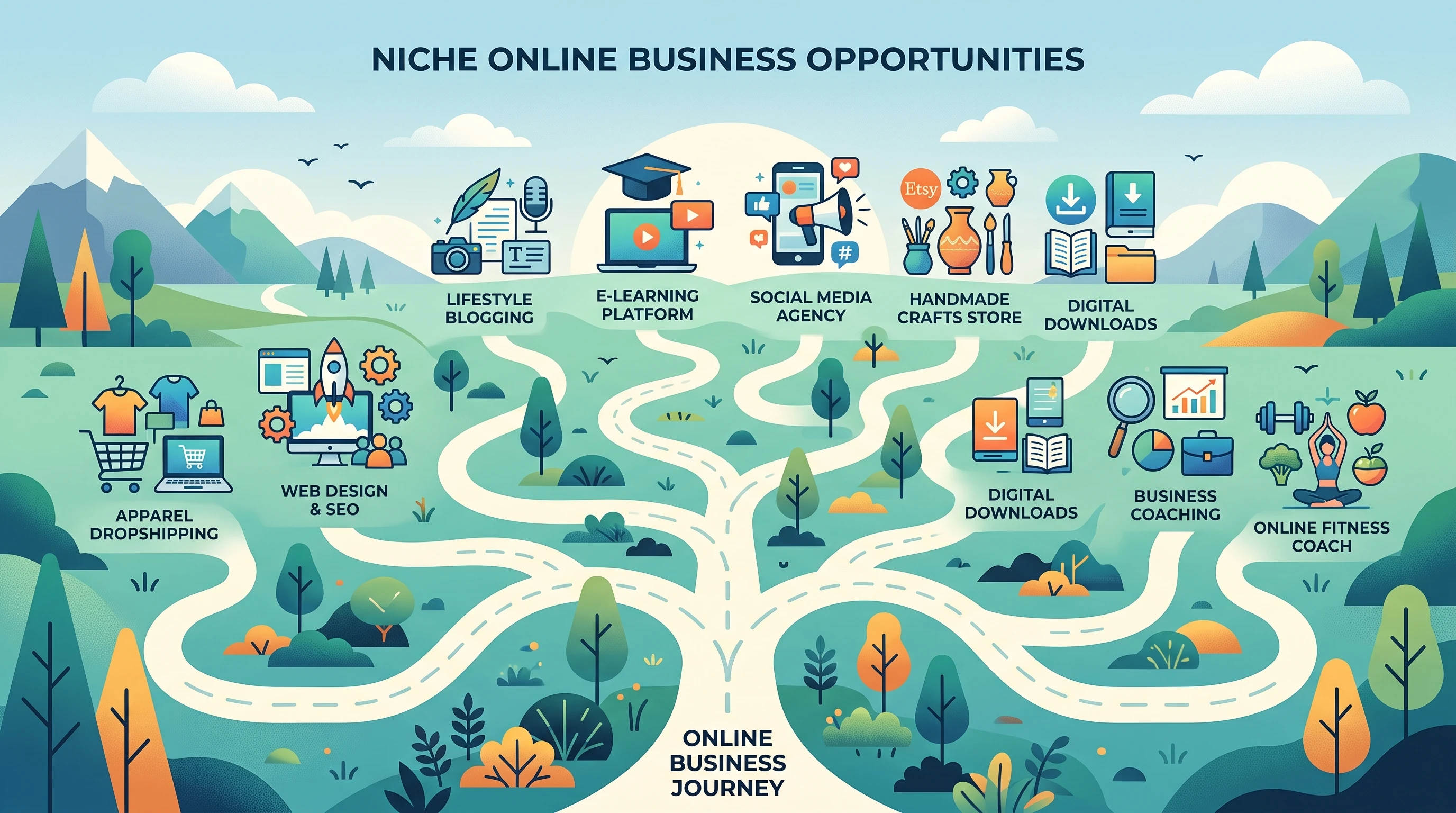
If you’re thinking about launching an online business, take a look through possible ideas, ask friends for feedback, and see where your strengths line up with demand. With the right steps, your online business can turn a simple idea into something meaningful and profitable.
If you want to follow in my steps and learn how to start your online business for FREE, check out this link. This is an online business university that will guide you step-by-step with video instruction so you can choose your niche and launch your website. Once launched, you will learn how to grow traffic to your new online business.
____________________________________________
Want to learn more about building your online business from any location? Click here for helpful guides and tips.
Feel free to drop any questions or comments below before exploring other articles on the site. I’m always up for helping fellow entrepreneurs find their next niche!