
Deepfake technology is shaking up the way people make and watch videos. By using artificial intelligence to swap faces and voices in videos, deepfakes are changing everything from entertainment to advertising.
The tech behind deepfakes is impressive, but it also leaves a trail of new challenges. Here, I’m sharing my experience with the rise of deepfakes and what you should know as they quickly reshape video content.

How Deepfake Technology Works in Simple Terms
Deepfakes use AI methods called neural networks to edit video and audio. Most creators use a type of AI called a Generative Adversarial Network, or GAN. The GAN has two parts that play a kind of game: one creates fake images or audio, and the other checks if they’re real or fake. They get better with each round, ending up with results that fool most people.
This process makes it super easy to swap someone’s face into a movie scene or make it sound like they’re saying things they never actually said. All it really needs is a bunch of images or video clips to study. Once the AI has that, it can create new footage that looks and sounds surprisingly real, right down to the person’s voice and facial expressions.
What’s wild is how accessible these tools have become. There are now online platforms and apps that let just about anyone upload a few photos and make a realistic video. The results keep getting better too, especially as the technology learns from larger and more diverse data sets.
If you think about it, ten years ago the idea of swapping your own face into a blockbuster movie would’ve sounded like sci-fi. Today, it’s as simple as following step-by-step app instructions. Even some smartphone cameras now have built-in deepfake filters for fun social sharing. This fast pace means deepfake tech could soon be as common as photo filters or basic video edits, making it even easier for everyday users to make their own viral clips or creative videos.
What Deepfakes Mean for Filmmakers and Creators
Deepfakes change how movies, TV shows, and social media videos get made. Filmmakers are using deepfakes to de-age actors, bring back performers who are no longer around, or even let stars appear in scenes without ever stepping on set. It saves time, cuts costs, and gives storytelling a huge upgrade.
On social media, I’ve seen influencers use deepfake tools to create entertaining skits or lip-sync videos that would have been impossible a few years ago. Brands are catching on, too, using deepfakes for personalized ads where celebrities “endorse” products in ways that used to need expensive shoots or contracts.
The tech also opens up new creative doors for independent creators and small businesses. Instead of huge Hollywood budgets, almost anyone can produce high quality content that looks polished and surprising.
For example, some YouTubers have already recreated classic film scenes with their own faces swapped in, generating laughs while showing off technical skill. Music festivals have even featured “virtual guest appearances” that combine deepfake visuals with live musical performances.
Popular Uses of Deepfakes in Video
- De-aging and Character Recreation: Used in film studios to bring classic characters to new movies.
- Educational Content: Teachers and researchers use deepfakes to show historical figures “come to life.”
- Augmented Reality: Apps give users new ways to see themselves in music videos, games, and virtual meetings.
- Personalized Advertising: Brands can seamlessly insert your face or favorite actor into tailored commercials.
- Entertainment Pranks: Creators have made celebrity mashups or “what if” trailers using deepfake tech for comedy.
Risks and Concerns Around Deepfake Videos
While deepfakes offer exciting benefits, they come with real risks. The most obvious one is misinformation. Deepfake videos have already been used to spread false news, damage reputations, and create fake celebrity scandals. Some videos look so convincing that it’s hard to know what’s real unless you dig deep.
I’ve noticed that, as this technology spreads, more people worry about being tricked. Businesses and politicians in particular are easy targets for “fake news” or videos designed to go viral for the wrong reasons. Tarnishing a reputation can take just a few seconds of fake footage.
There’s also a privacy problem. Since making deepfakes can involve using someone’s face or voice without their OK, the technology can cross personal boundaries fast. Laws are still trying to catch up, so there’s not a lot of protection in place yet.
Security experts also warn about scams. Phishing attacks, voice spoofing, and fake job interviews created with deepfake audio or video make it easier to trick people for money or personal info.
Another worry is the potential for deepfakes to influence elections, public opinion, or even stock markets by quickly getting fake videos to millions of viewers. As AI gets smarter, old tricks for spotting fakes won’t always work. Keeping an eye out for new detection tools and staying sharp as you browse online videos will be key.
Spotting Deepfakes: Signs to Watch For
- Strange blinking or mouth movements
- Odd lighting or mismatched shadows
- Unusual background noise or audio glitches
- Faces that don’t match hands or neck movement
- Unnatural skin texture or inconsistent reflections
The Tech Behind Deepfakes: Tools and Methods
Getting into deepfake creation requires a bit of hardware and software know how. The most common tools are open source platforms like DeepFaceLab or FaceSwap. There are also paid services online with easier interfaces for those who just want quick results.
Creators usually start by collecting a dataset, which means finding lots of images or video clips of the people involved. The more footage, the better the end result. This footage gets fed into the AI model for training. Training can take hours or days, depending on the size of the files and the power of the computer used.
Once training is done, the software maps facial features closely and blends them onto the host video. Good lighting, camera angles, and resolution make a big difference in believability. For audio deepfakes, tools like Lyrebird or Descript help match words and tones so the fake voice lines up perfectly with the new footage.
All this sounds complex, but if you’ve edited video before, you’ll find it’s more about patience and practice than raw skill. Forums and online tutorials are pretty handy for problem solving as you go. Over time, you’ll notice subtle improvements with each attempt, and you may even stumble upon new effects or tricks by exploring community guides and tips from more experienced users.
Positive Potential: Deepfakes for Good
Despite the headlines about pranks and scams, deepfakes have some positive uses worth checking out. Medical researchers are developing deepfake tools to help stroke patients “regain” speech or facial movements. Museums and educators use deepfakes to help tell stories in ways that feel more real and personal.
Accessibility is another bright spot. Deepfakes can help people with disabilities communicate by giving voice and facial movement to those who need it. There are tools that translate spoken language into other languages, syncing lips and speech in real time.
Charities and documentary makers add impact by letting audiences “see” and “hear” survivors or historical figures connect directly. It makes content stick with viewers for longer, driving home messages in a unique way.
The creative world continues to explore new examples, with artists and tech experts teaming up for some really cool projects. Even in virtual therapy sessions or grief counseling, deepfake technology has found a role, helping clients reconnect with a lifelike video of a loved one, always with consent and careful ethical consideration.
Problems and Roadblocks for Deepfake Creators
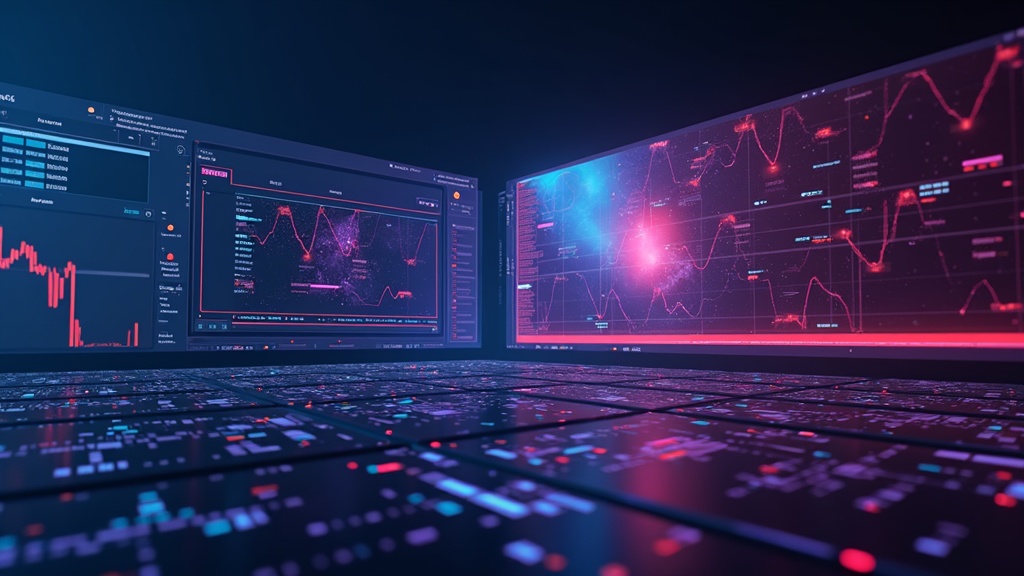
Getting deepfake videos to look real is tougher than it seems. Even with tons of images, bad lighting or weird camera movement can mess things up. For example, hands and teeth are still very tricky for AI to fake well. When a deepfake goes wrong, the result looks glitchy or just plain strange.
The need for good computers is another thing to consider. Large files eat up lots of memory, and training AI can push basic laptops to their limits. Sometimes, the editing and testing can take hours for just a few seconds of finished video.
Legal gray areas are also stressful. Sharing or posting a deepfake that features a celebrity (or anyone, really) without their permission can lead to takedowns, bans, or legal action. For now, creators need to stay updated on changing rules and respect boundaries, even if the technology makes “anything” possible.
Another problem is the unpredictable output from the AI itself. Some deepfake results still have odd errors like a mouth that doesn’t match the words, or facial features that “float” instead of moving naturally. Since these issues can pop up at any stage, it’s wise to go slow and double check work, especially if the video will be widely shared.

Things to Know Before Creating Deepfake Content
- Permission: Always get consent when using another person’s image or voice.
- Hardware: Fast computers and lots of storage space improve results and speed.
- Backup: Save old versions often, since file corruption is a real risk in long edits.
- Factcheck: Disclaimers and clear labeling help prevent confusion or misinformation.
Tips for Using Deepfakes Responsibly
Launching a deepfake project can be exciting, but handling the tech responsibly is super important. Here are some practical things I recommend:
Transparency: When creating content that might fool people, add a note or notification saying the clip was made using AI. This protects you and builds trust with viewers.
Stay updated: Check new laws or updates about deepfakes, especially if you’re posting on YouTube, TikTok, or any site with strict rules. Terms of use change a lot as tech improves and trends mix up.
Practice makes perfect: Keep testing different backgrounds, voices, and lighting to spot what works and what looks fake. Most pro-level deepfakes needed lots of runs before they looked smooth.
Working with other creators or joining online communities helps. There are groups focused on ethical AI video editing, sharing examples and lessons so people learn the do’s and don’ts. Learning from others keeps you ahead and avoids rookie mistakes.
You can always ask for feedback from experienced editors or share your work in safe spaces for constructive critiques, which can really give a boost to your editing skills.
Deepfakes and the Future of Online Video
The future of deepfakes in video looks like it’s only going to get bigger. Streaming sites and apps are starting to use AI video synthesis for dubbing, translation, and even unscripted reaction videos. Sports broadcasters test using deepfake voices for instant highlights in several languages, all at once.
I expect deepfakes will keep making content feel more interactive and personal. You’ll see ads with AI-powered announcers, custom greeting videos, and even fan-made remixes that blur the line between pro and amateur content.
Trust will be more important than ever. As AI tools make it easier to edit or fake videos, people will need to rely on news sources, video watermarks, and fact checkers a lot more. Being able to judge what’s real or not, sometimes called media literacy, will be a useful skill for pretty much anyone who spends time online.
It might also mean big changes for video verification in newsrooms and courtrooms. As more of us look for believable content, a new wave of detection software and fact checking services is already springing up. Governments and organizations are working on watermarking AI-generated videos to signal authenticity, so both creators and audiences can have more confidence about what they’re watching.
Frequently Asked Questions
How do deepfakes actually work?
Deepfakes use AI that studies videos or images to learn patterns that can be recreated into new videos. The main tech behind this is a neural network that “swaps” faces and voices to match the target clip.
Are all deepfake videos harmful?
No, many deepfakes are used for fun, art, or education. The harm comes when they’re used to lie or trick people without their consent.
How can I tell if a video is a deepfake?
Look for poor lip sync, strange blinking, or mismatched lighting. Some deepfakes can pass as real, but most still have small glitches or unusual patterns if you look closely. You can also check for strange skin textures or robotic facial movements, which often appear in deepfaked content.
What laws exist about deepfake creation?
Some countries and states have started to pass laws about sharing deepfakes without permission. It’s smart to check local laws before publishing any deepfaked video with someone else’s face or voice.
Can I make a deepfake on my home computer?
Yes, with the right software and enough computer memory, most people can make basic deepfakes. Higher quality results usually need stronger equipment and more learning, but it’s possible on most newer desktops or laptops.
____________________________________________
If you’re exploring more about video or AI tools, check out reputable learning guides online for up-to-date tips and best practices. Stay creative, stay informed, and enjoy experimenting with the future of video!
If you want to see an example of a video I created using my favorite AI video creation tool, check out this post!
If you want to know more about Howard, click here!