
Leveraging Machine Learning for Smarter Affiliate Marketing Campaigns: Optimization, Targeting, and Automation
Machine learning (AI Tools) is shaking things up for affiliate marketers everywhere. With smarter tools and clever data analysis, it’s now possible to run campaigns that outperform old-school guesswork by miles. I often see people who are new to this space get a little overwhelmed by all the tech, but once you break it down, the benefits become clear pretty fast.
I’ll walk you through how machine learning can help you target the right people, automate campaign tweaks, and squeeze the most out of every click.

Why Machine Learning Matters in Affiliate Marketing
Affiliate marketing has grown from simple link sharing to a huge digital industry powered by data. Thanks to machine learning, the whole landscape is more about working smarts than just working hard. Machine learning tools help you spot trends, track down buying behaviors, and put your offers in front of the people most likely to buy.
When I talk with friends who run affiliate programs, the same challenge pops up: how to manage hundreds of campaigns without losing track. Machine learning is built for this. It sifts through mountains of data, looking for what’s working and what’s wasting money. These tools don’t sleep, get distracted, or lose focus. That’s a big deal in a game where timing and relevance directly impact profits.
Marketers now lean into algorithms to make decisions about which creatives to use, when to show ads, and how much to bid. If you’ve ever noticed campaign results changing fast, there’s a good shot some machine learning models were running behind the scenes.
Adding this tech to affiliate marketing makes life easier in several ways: less manual work, better targeting, and more reliable data for big decisions. The competitive advantage is real, and it’s becoming standard practice.
Tools like Google Analytics with machine learning powered insights, or affiliate platforms such as Voluum and Cake, offer tons of built-in automation driven by these advances. Industry stats show that businesses making the most of AI and ML see higher conversion rates than their peers.
Core Ways Machine Learning Optimizes Campaigns
The biggest perk of machine learning in affiliate marketing is optimization. In simple terms, this means getting more clicks, leads, and sales for the same budget or sometimes less. Here’s how that shakes out day to day:
- Smart Budget Allocation: Machine learning crawls through campaign data in real-time, shifting funds toward high-performing ads and away from anything that’s stuck.
- Creative AB Testing: Algorithms can instantly test headlines, images, or call-to-action buttons. Winning options get pushed to the top.
- Dynamic Ad Placement: Machine learning finds out which platforms, times, or placements perform best. If TikTok works better at 7 p.m. than 10 a.m., the system automatically sends more ads at that time.
- Fraud Detection: Algorithms spot shady clicks or fake leads way faster than humans. For programs that pay per click or action, cutting out fraud saves serious cash.
I’ve worked with networks that cut wasted spend by half once their machine learning models went live. The neat part is these models learn as they go, so results keep improving over time. It’s a hands-off, safer bet for anyone running multiple offers or juggling dozens of affiliate partners.
Platforms like Voluum provide real-world examples where smart algorithms keep tweaking audience segments and placements, making sure campaigns stay profitable. That’s something almost impossible to do by hand, especially at scale.
Getting Started with AI-Driven Targeting
Before signing up for the fanciest machine learning tool, it helps to know where targeting breaks down and how AI fixes it. Regular targeting uses old data from cookies or basic demographics like age and location. Machine learning goes deeper, picking up on subtle signals such as browsing patterns, recent purchases, and even time spent on specific sites.
Imagine you’re promoting a fitness app. Traditional targeting just looks for people interested in exercise, but machine learning might spot patterns like weekend gymgoers who read nutrition blogs at lunch. These little details add up. As a result, your ad budget only goes to those most likely to click and convert.
- Lookalike Modeling: The system finds new people who behave like your current top converters.
- Predictive Analytics: Machine learning predicts which site visitors are most likely to buy—even before they do.
- Audience Segmentation: AI splits your wider audience into smaller, laser-focused groups. Offers can now be tailored to each segment for higher conversion rates.
I’ve seen affiliate marketers use Facebook’s lookalike feature, which leans heavily on machine learning, to scale campaigns faster and with less guesswork. Google Ads’ Smart campaigns are built on similar logic. These tools work best when you hand them quality data from your own campaigns; the more you feed the system, the smarter it gets.
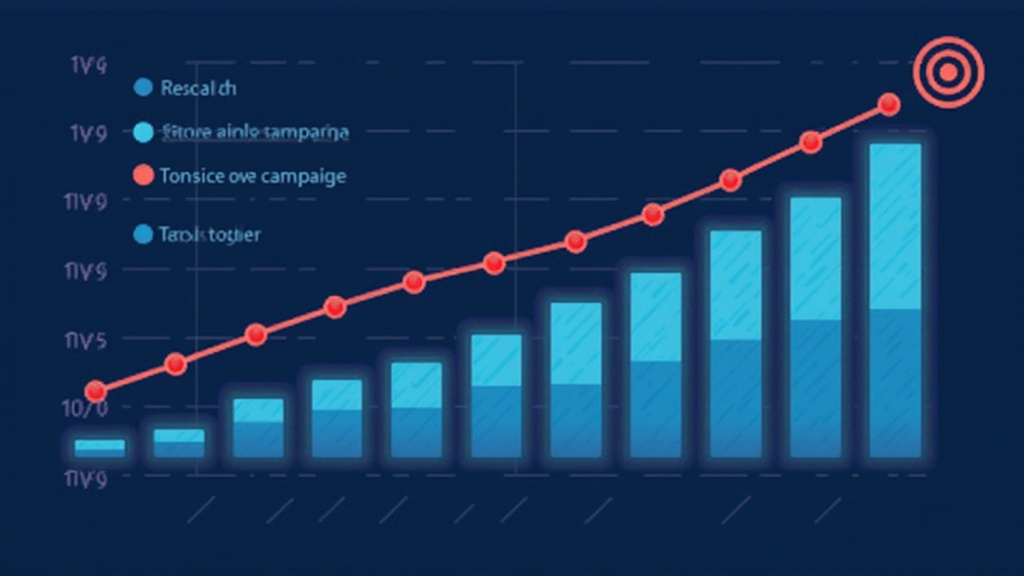
Making Automation Work for Your Affiliate Campaigns
Routine tasks like pausing bad ads, swapping creatives, or changing bids soak up a lot of time. Automation with machine learning, though, frees you up to focus on scaling or finding new offers. These automations don’t require you to be a tech whiz, just someone who’s ready to use smarter tools.
A few super useful ways automation can help:
- Auto Pausing Underperformers: When click-through rates fall below a certain line, the system pauses ads automatically. This means less wasted money.
- Rule-Based Optimization: Set up rules like “raise the budget by $20 when conversions double in 24 hours,” and your platform handles the rest.
- Creative Rotation: The software keeps swapping ad variations to prevent fatigue among your audience. Winning creatives stay, old ones go.
- Bid Adjustments: Systems change bids in real time based on factors like device, time of day, or audience segment for maximum ROI.
Platforms such as Affise and Tune have automation features built specifically for affiliates. After setting up some basic rules, I usually see marketers save hours each week just by letting the system handle daily adjustments.
Things to Watch Out for Before Integrating Machine Learning
Jumping into machine learning brings a real performance boost, but it’s wise to be aware of a few common speed bumps:
- Data Privacy: Handling customer data responsibly is super important. Check compliance with GDPR or CCPA, especially if you’re collecting lots of personal info.
- Data Quality: Machine learning tools are only as good as the data you feed them. Garbage in means garbage out. Regularly clean up duplicate or incomplete records.
- Tool Complexity: Some platforms have steep learning curves. Try demos and get training before investing fully to avoid overwhelm or poor campaign setup.
- Initial Costs: These tools can cost more upfront, so budget for them, but they tend to pay for themselves in saved time and increased conversions pretty quickly.

Data Privacy Concerns
A big topic right now is user privacy. Most affiliate marketers collect some personal data like emails, purchase history, or device IDs. Machine learning needs access to a lot of this info to work well, but newer regulations limit how you can collect and process it.
Make sure your platforms and partners are transparent and up to date on the rules. I like to double-check privacy policies and make sure there’s clear user consent.
The Role of Quality Data
If your affiliate data is all over the place, machine learning won’t perform well. Regular audits help a lot here. Set up basic data cleaning routines so things like duplicate transactions or missing conversion values don’t mess up your targeting or optimization. Tools like Rivery or Fivetran can help automate these checks with minimal effort.

Advanced Tips for Smarter Machine Learning Campaigns
Once you’re comfortable with automation and AI targeting, there are a couple of cool tricks that can really give your campaigns an edge. These are strategies that the most successful affiliate marketers regularly put to work:
Cross Channel Tracking: Connect machine learning to data from email, social media, and search. This makes it possible to follow users across platforms and target them wherever they hang out most.
Predictive Lead Scoring: With a solid model, it’s possible to predict the value of new leads and adjust your bids or placement instantly.
Personalization Engines: Use automation to send different audiences personalized content, images, or offers. For example, display a special deal to returning users who almost bought last time. These systems predict which combo of creative and landing page gives your results a boost.
Real Time Fraud Detection: Sophisticated models can spot patterns in click fraud or bot traffic, shutting down bad placements in real time and saving your budget.
Mixing these tricks with your regular machine learning tools helps you keep ahead of the market. That’s where the bigger gains come from as your system starts handling more and more of the details. If you’re looking to stand out, these tactics will help you keep your campaigns sharp and results strong.
Frequently Asked Questions
Here are some of the questions I get the most about machine learning in affiliate marketing:
Question: Do you need to be a tech expert to use machine learning tools?
Answer: Most modern platforms are user-friendly. There’s a learning curve, but training and tutorials are easy to find. Pick a tool that matches your comfort level and ask for support if you get stuck.
Question: How much data is needed for a machine learning model to work?
Answer: The more, the better. Even smaller programs can start, but models improve with more clicks and conversions. Look for tools that support gradual learning based on your campaign size.
Question: Are machine learning campaigns expensive?
Answer: There can be higher costs at the beginning, but better targeting and less wasted spend usually cover these pretty fast. Prices range from basic plugins to advanced enterprise suites.
Question: What results should I expect after adding machine learning?
Answer: Expect better results with less manual work. Improvements show up in better conversion rates, lower costs, and more time for strategy.
Ready to Take Affiliate Marketing to the Next Level?
Integrating machine learning into your affiliate marketing is a game-changer. Campaigns run smoother, targeting improves, and automation saves a headache’s worth of manual work. Most importantly, machine learning tools learn over time, so each week brings a little more efficiency.
You don’t need to try everything at once; test out one or two tools, check their results, and keep building from there. Smart platforms can become your best digital helper, and with a few tweaks, supercharge your affiliate campaigns.
Want to keep learning about making affiliate marketing easier? Connect with other marketers, share your wins, and explore which platforms fit your needs best. Smart marketing is all about growth, and these tools are here to make your adventure easier.
__________________________________________________________
To learn more about me, click here! I want to build trust, so please take a look at my bio!
Try out my choice, since 2014, for learning all things affiliate marketing, AI tools, and building an online business! Here’s 50+ real businesses you can start today!

TRY WEALTHY AFFILIATE FOR FREE – NO CREDIT CARD REQUIRED!